Disclaimer: This article is for informational purposes only and does not constitute medical advice. For a formal diagnosis or medical prescription, please consult a qualified healthcare professional. If you are unsure about your skin condition, you should always seek professional doctor advice.
Acne vulgaris is a multifaceted condition driven primarily by
Excess oil production
The buildup of dead skin cells
Microbiome imbalance with bacteria overgrowth
In Singapore, the journey to clearer skin usually begins with over the counter solutions or a visit to a professional for an assessment of your acne severity.
Whether you are dealing with persistent blackheads or inflamed cysts, the goal of any acne treatment is to reduce inflammation and prevent the formation of acne scars.
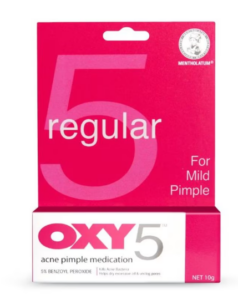
For mild acne, many people start with products containing active ingredients designed to unclog pores and kill bacteria. These products are widely available in pharmacies across the island.
Benzoyl Peroxide: As one of the most common acne treatments, benzoyl peroxide works by releasing oxygen-derived free radicals that kill acne-causing bacteria. You can find products with benzoyl peroxide in varying strengths, typically ranging from 2.5% to 5%.
Salicylic Acid: This is a popular acne treatment for those with blackheads. Salicylic acid helps to exfoliate dead skin cells that can trap oil inside the skin.
Azelaic Acid: Often used to treat acne and the redness associated with it, azelaic acid is known for being gentler on the skin compared to other acids. It helps to clear pores and refine the skin surface. Also a great and safe choice for expectant women who are dealing with acne during pregnancy.
Topical Retinoids: These are powerful treatments that increase the turnover of skin cells, preventing them from clogging the pores on your face. Retinoids are also great at improving the appearance of acne scars.
While these ingredients are effective, side effects such as skin irritation, dryness, and redness can be common if the products are not used correctly.
Do not make the mistake of spamming your skin with multiple products at once!
When you layer too many harsh ingredients, you risk severe acne flares caused by extreme skin irritation, dryness and a compromised skin barrier.
Generally, it is best to start with one active ingredient at a low concentration and monitor how your skin reacts for at least 1-2 weeks. If you are unsure about which products to combine or how to build a safe skincare routine, you should always check with professionals before proceeding. Professional guidance ensures that your acne treatments work for you rather than against you.
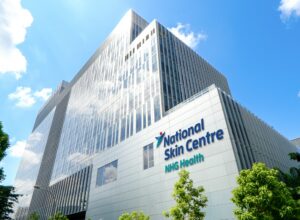
Many Singaporeans choose to consult a professional as their very first step to ensure they are using the correct acne treatment from the start. Whether you prefer the convenience of a local polyclinic or the specialised expertise of the National Skin Centre (NSC), seeking clinical information early can prevent the frustration of trial and error with unsuitable products.
Common prescriptions in Singapore include:
Oral Antibiotics: To reduce bacterial load, oral antibiotics like doxycycline or erythromycin may be prescribed for mild-moderate cases. They are usually prescribed for limited durations and combined with topical treatments to reduce antibiotic resistance.
Isotretinoin: For severe acne that is resistant to other treatments, a doctor may prescribe isotretinoin. While highly effective, this acne treatment requires close medical supervision, including blood tests and strict pregnancy precautions due to potential side effects.
When seeking acne treatments in Singapore, the choice between public and private care often depends on your timeline and the desired acne treatment approach.
Public healthcare remains a highly reliable and affordable treatment for acne. However, due to high patient volumes, there may be longer wait times for a visit to a specialist.
Public protocols often follow a structured “escalation of care” model. This means your doctor may start with foundational treatments like oral antibiotics to monitor your skin response before moving to more intensive treatment options.
While this ensures a cautious approach to side effects, some patients with moderate-severe acne may feel the process takes longer to reach the results they desire.
In contrast, private practices often offer shorter wait times and more immediate access to a doctor.
Private dermatologists may also have the flexibility to be more direct with their prescriptions. For those who want to avoid the “trial and error” phase of mild acne solutions and move straight to targeted clinical intervention for moderate-severe acne, the private route can offer a more streamlined experience.
For those seeking private dermatological expertise, dermatologists provide comprehensive medical information and tailored clinical treatments for complex skin cases.
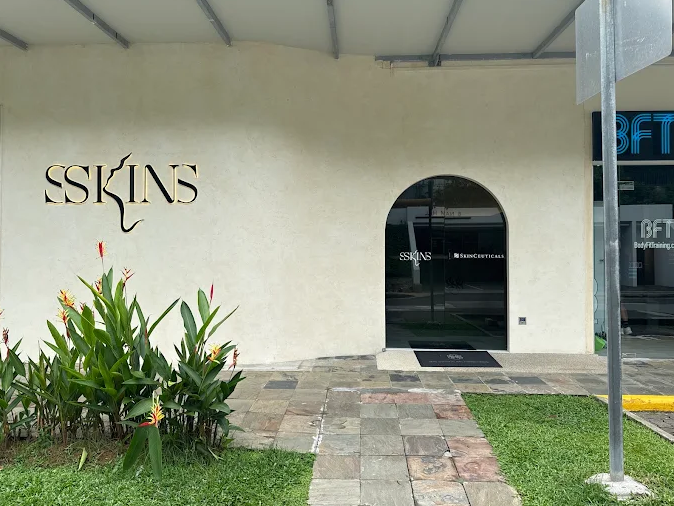
While antibiotics and other medical treatments address the biological triggers of acne, the way you maintain your skin daily is equally vital.
SSKINS provides professional-grade skin treatments that bridge the gap between home care and medical intervention. Our treatments are designed to support the skin barrier and maintain the results achieved through medical care.
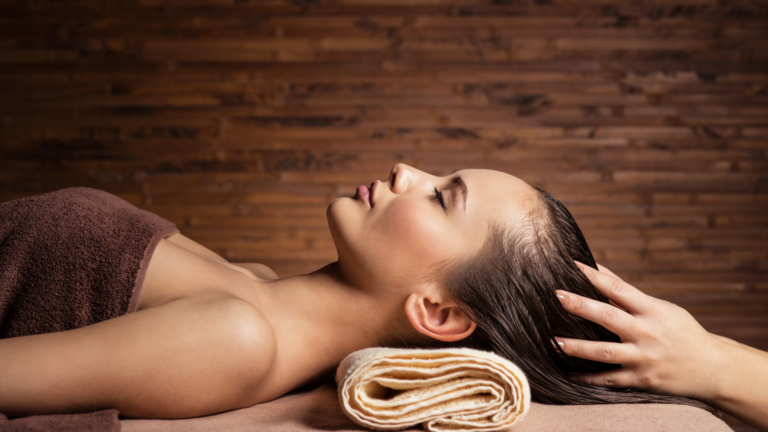
For instance, the SkinCeuticals Deep Clarifying Facial is excellent for those looking to reduce congestion and clear blemishes on their face. This facial uses professional-strength products to gently remove dead skin cells and impurities that contribute to congestion.
There is no one-size-fits-all treatment for acne vulgaris. For many in Singapore, the most successful approach involves a combination of medical therapies for severe acne and professional maintenance of healthy skin at a centre like SSKINS.
By balancing the expertise of a doctor with the high-performance skincare products used in our medispa, you give your skin the best chance at remaining clear and healthy. If you are ready to take the next step in your acne journey, explore our treatments or visit a professional to discuss the best information regarding your unique skin needs.
Common acne treatments in Singapore typically involve a combination of topical agents, oral medications, and professional clinical interventions.
For mild acne vulgaris, topical ingredients such as benzoyl peroxide, salicylic acid, and retinoids are used to reduce bacterial load and encourage cell turnover.
For moderate to severe cases, a doctor may prescribe oral antibiotics like doxycycline or isotretinoin. In Singapore’s humid climate, these medical treatments are often supplemented by professional skincare maintenance, like the SkinCeuticals Deep Clarifying Facial, to manage congestion and support the skin barrier.
Most acne treatments require at least 4 to 8 weeks of consistent use before visible improvements in the skin occur. This timeline is dictated by the natural skin cell cycle, which takes approximately 28 to 30 days. Whether you are using over the counter acids or clinical prescriptions, it is vital not to “spam” your skin with multiple actives, as this can lead to skin irritation and secondary flares.
Professional guidance ensures that the acne treatment has sufficient time to reduce inflammation and prevent acne scars without compromising skin health.
Professional facials can be a highly effective supportive acne treatment, provided they use medically-backed technology and ingredients. Treatments such as the SkinCeuticals Deep Clarifying Facial assist in the gentle removal of dead skin cells and oxidized sebum that contribute to skin congestion.
By maintaining a clean environment on the face, professional interventions complement the work of oral antibiotics or topical retinoids, helping to manage the “purging” phase and ensuring the skin remains hydrated and resilient throughout the recovery process.