However, for those living in Singapore, attempting to achieve glass skin can often feel like an uphill battle.
The very environment that should theoretically help keep the skin hydrated -intense humidity- is often the primary obstacle to achieving glass skin.
Glass skin is not merely about being “shiny.” It refers to skin that is so perfectly hydrated, luminous, clear and smooth that it reflects light evenly.
In a temperate climate, where the air is dry, this is traditionally achieved by layering watery humectants and “sealing” them in to prevent transepidermal water loss (TEWL).
In Singapore’s high humidity, however, the ambient air already prevents rapid evaporation. While this sounds beneficial, the heat triggers an increase in sebum production.
When you apply rich oil-based skincare products designed for dry climates, they often sit on the skin and mix with excess oil, creating a congested film. This leads to “greasy” rather than “glassy” skin, trapping heat and potentially causing skin irritation or breakouts.
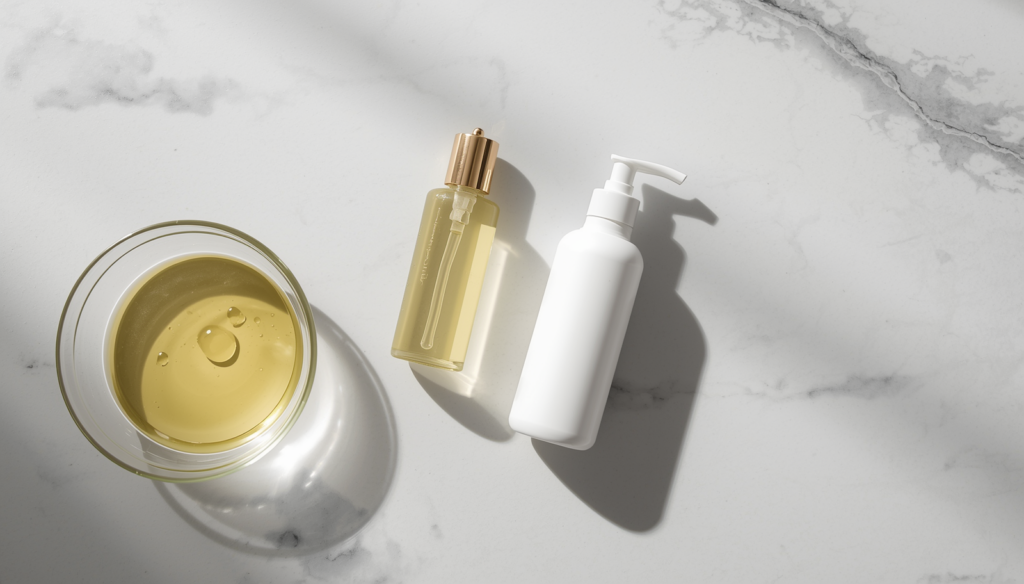
To get glass skin in a humid environment, the most critical step is ensuring the surface is free of debris. In Singapore, pollution, sweat, and oxidised sebum can create a film on the skin that prevents light from reflecting.
To combat this, you must double cleanse.
Start with an oil-based cleanser to dissolve sunscreen and excess oil.
Follow with a gentle, water-based cleanser to remove any remaining impurities and dead skin cells.
Without a proper double cleanse, your skincare products will simply sit on top of a layer of grime, leading to congestion rather than that coveted K-beauty glow.
One of the biggest hurdles to the glass skin look in the tropics is oil-induced dullness. When sebum oxidises on the surface, the skin loses its translucency.
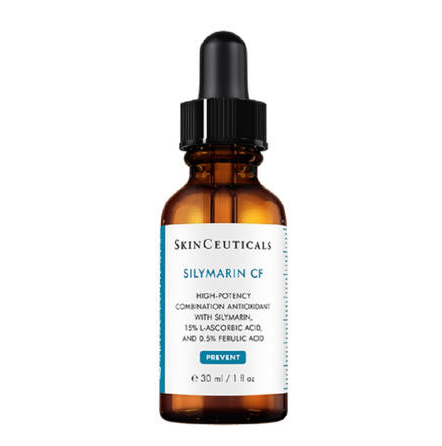
To manage this, we recommend a targeted Vitamin C serum designed for oily or blemish-prone skin. The SkinCeuticals Silymarin CF is a breakthrough for those trying to achieve glass skin in high humidity. Unlike traditional antioxidants, it is specifically formulated to reduce oxidative stress on the skin, maintain a clear skin tone and prevents the breakouts that often derail glass skin and other skin goals.

Sometimes, a home skincare routine isn’t enough to achieve the deep-level hydration required for glass skin. When cell turnover slows down, skin cells accumulate, making the skin look “cloudy” rather than clear.
At SSKINS, we recommend the OxyJet Skin Rejuvenation as a professional glass skin treatment. This treatment uses pulsed oxygen to deliver high-performance ingredients, such as hyaluronic acid, deep into the dermis without the need for needles.
It is a powerful way to saturate the skin with moisture while simultaneously cooling and calming a complexion stressed by heat and humidity.
To achieve glass skin without the grease, follow these localised skin care tips:
Exfoliate Regularly: Encourage cell turnover by gently removing dead skin cells 1-2 times a week, depending on skin tolerance. This ensures the “surface” of your skin is smooth.
Lightweight Layering: Opt for non-occlusive and lightweight serums or moisturisers. This builds glass skin luminosity without weighing down your skin.
Sun Protection is Essential: UV damage causes uneven skin tone and texture. Sun protection ensures that your complexion remains clear and healthy.
Active Ingredients: Consider adding products with active ingredients such as azelaic acid and retinol/retinoic acids judiciously to help achieve improved skin tone and texture.
Achieving the K-beauty ideal in Singapore requires a shift in perspective. It isn’t about how many products you can apply a day, but how effectively you can manage the skin and its reaction to the environment.
Visit us at SSKINS to discover a tailored approach to the glass skin look that works with your biology, not against the humidity.
Achieving glass skin is more difficult in high humidity because the heat triggers excess sebum production, which can make the skin appear greasy rather than translucent. In tropical climates, the moisture in the air prevents skincare products from absorbing efficiently, often leading to a congested complexion and “cloudy” texture.
To get glass skin in these conditions, the focus must shift from heavy oils to lightweight humectants that provide hydration without clogging the skin.
The primary difference between the glass skin look and oily skin lies in texture and light reflection. Glass skin is characterised by deep hydration, a smooth skin barrier, and a refined skin tone that reflects light evenly across your face.
In contrast, oily skin is often accompanied by enlarged pores and an uneven surface caused by oxidized sebum. While the glass skin trend prioritises a “lit-from-within” glow, oily skin often presents as a surface-level shine that lacks clarity.