In the field of regenerative dermatology, the focus has shifted from temporary volume to true cellular renewal. This movement is led by two powerful DNA-derived biopolymers: Polynucleotides (PN) and Polydeoxyribonucleotides (PDRN). Rather than one replacing the other, these two “cellular messengers” work in tandem to restore skin health from different angles.
While both are sourced from high-quality salmonid DNA (Italian trout and salmon), the difference lies in their molecular structure.
PDRN (The Repair Specialist): With a shorter molecular chain, PDRN is highly efficient at accelerating tissue repair and calming inflammation. It is the go-to for targeted healing, such as addressing scars or post-procedure recovery.
PN (The Structural Architect): Utilising High Purification Technology (HPT), PN consists of longer-chain DNA fragments. This allows it to provide more sustained structural support and deep, long-lasting hydration, making it ideal for overall skin thickening and “re-training” the skin to stay in a state of active renewal.
To understand how polynucleotides work, we must look at the molecular chain. Polynucleotides are essentially long fragments of nucleic acids (the building blocks of DNA) that act as a bio stimulator.
The HPT process ensures that the polynucleotide remains a long-chain molecule. This allows it to stay in the skin longer, acting as a physical scaffold that supports skin elasticity while simultaneously triggering collagen production. This is what is known as “biostimulation”, forcing the skin to biologically upgrade its own structural integrity.
Think of polynucleotides as a potent fertilizer for the skin as they stimulate and wake up sluggish cells and signal them to do their job better.
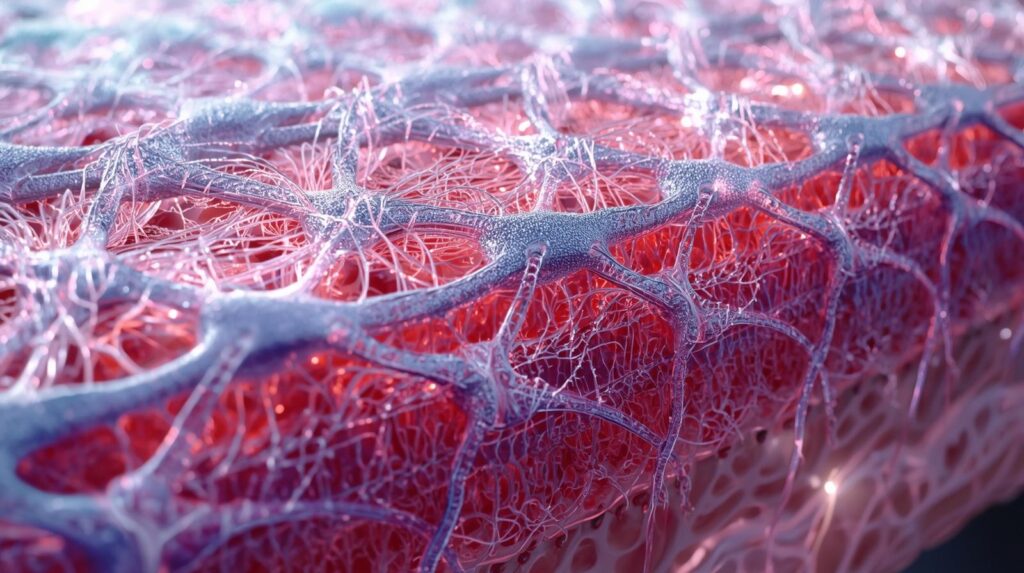
The primary goal of polynucleotide treatments is to move beyond surface hydration and into deep tissue regeneration. Because polynucleotides possess potent anti inflammatory properties, they are highly effective at reducing oxidative stress. This is critical for skin health, as it stops the “inflamm-ageing” cycle that leads to wrinkles and fine lines.
By providing a concentrated dose of nucleic acids, the treatment accelerates skin repair in damaged areas, making it a great option for treating:
Acne scars and textural irregularities.
Loss of skin elasticity.
Chronic skin thinning and dullness.
Polynucleotides possess unique anti inflammatory properties. This is critical for skin health, as chronic inflammation is a leading cause of premature skin ageing. By reducing oxidative stress, polynucleotides create an optimal environment for skin regeneration, ensuring the skin remains resilient against environmental damage.
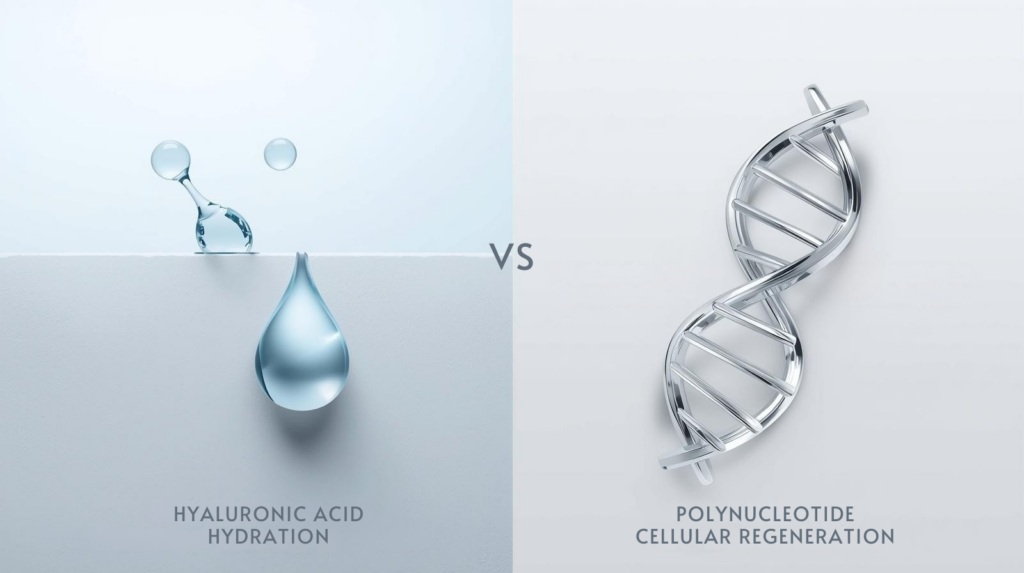
It is common to confuse polynucleotide treatment with “traditional” skin boosters. While both are vital skin treatments, their chemistry differs:
Hyaluronic Acid: Primarily provides hydration and temporary volume.
Polynucleotides: Act as DNA repair signals for long-term skin regeneration.
Some protocols also combine polynucleotides and hyaluronic acid to achieve both immediate moisture and long-term skin repair.
Both PN and PDRN are used in treatments that support skin repair and rejuvenation, but they are not exactly the same.
PDRN is often associated with helping the skin recover, renew, and look more refreshed, while PN is more commonly discussed in relation to skin texture and overall skin quality. Ultimately, it is less about which is better, and more about choosing the treatment approach that best matches your skin’s needs and goals.
While PN treatments are typically administered via injectables due to their molecular weight, PDRN offers greater versatility, performing exceptionally well through topical applications and enhanced delivery methods like microneedling.
To achieve the most comprehensive results, PDRN and PN are frequently combined, creating a tailored approach that aligns with your specific skin goals and user preference.
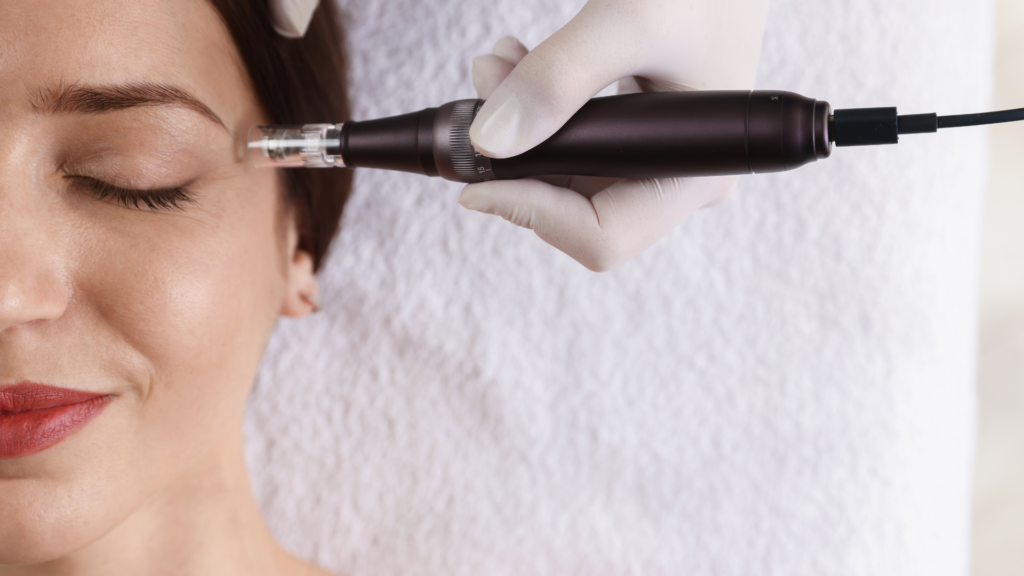
The efficacy of polynucleotide treatments is fundamentally dictated by three variables: the delivery technique, the specific formulation, and the overall purity of the DNA source.
If you are experiencing early skin thinning, acne scarring, or reduced elasticity, polynucleotide-based treatments may help support your skin’s repair processes.
This treatment utilises a unique formulation of high-purity PDRN, a growth factor complex, hyaluronic acid, amino acids, multivitamins, and glutathione to to support recovery and overall skin quality. It is an ideal skin rejuvenation tool for those looking to reset their skin quality without the “overfilled” look of traditional treatments.
Utilising HPT-refined polynucleotide molecules, this treatment is specifically engineered for tissue repair.
PDRN helps support the skin’s natural repair process, making it a popular option for skin that looks tired, stressed, or less resilient. It is often used to improve overall skin quality, support recovery, and leave the complexion looking healthier, smoother, and more refreshed.
PDRN can often be combined with other treatments, depending on what your skin needs. It is commonly incorporated into personalised treatment plans alongside other skin-rejuvenation or hydration-focused treatments to support overall skin quality and recovery. The best combination will depend on your skin concerns, goals, and your practitioner’s recommendation.
Polynucleotide treatments are not an “instant fix.” Because the treatment relies on your skin cells to physically produce new collagen, the results typically begin to manifest at 3 to 4 weeks post treatment.
Choosing polynucleotides is a commitment to the “health span” of your human skin. By utilising refined DNA-based fragments, you are not just masking the signs of ageing; you are biologically repairing the skin from the inside out.