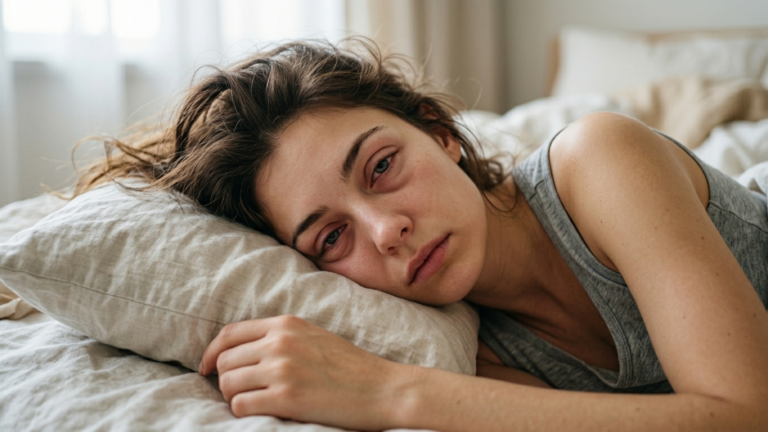
For the frequent flyer, airplane skin isn’t just a term, it is a physiological state of crisis. When you are in the air, the humidity levels in the cabin typically drop to below 20%, which is significantly lower than the 70-80% we are accustomed to on the ground in Singapore. This environment forces moisture out of the skin, leading to acute dehydration and a compromised skin barrier.
Whether you are stepping off a short regional hop or a gruelling red eye flight, your post flight skin requires more than just a splash of water. You need a systematic skincare routine that addresses the build up of recycled pollutants and the internal inflammation caused by disrupted circadian rhythms.
The Physics of "Airplane Skin"
Many travellers assume a long-haul flight is simply akin to spending 12 hours in an air-conditioned office. This is a dangerous misconception. A plane cabin subjects the skin to a combination of factors that trigger a systemic inflammatory response.
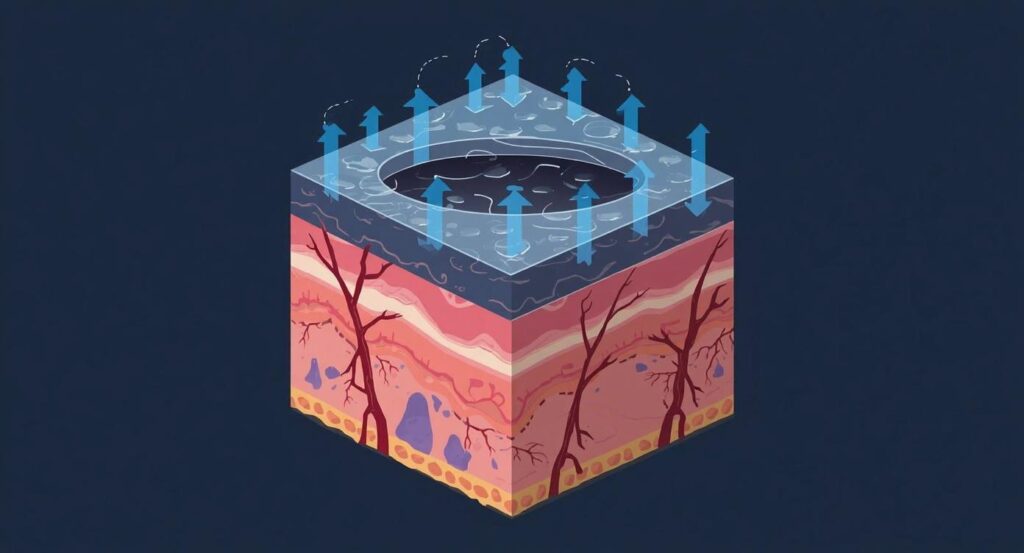
Extreme TEWL (Transepidermal Water Loss): In Singapore, we live in 80% humidity. Aircraft cabins drop to 10–15%. This isn’t just “dry air”, it creates an osmotic gradient that aggressively pulls water out of the skin faster than your lipid barrier can replenish it.
Hypoxic Surface Stress: While your lungs handle the 8,000ft pressure fine, the reduced oxygen saturation in your blood can lead to peripheral vasoconstriction. The skin is the last organ to receive oxygenated blood, leading to that characteristic “grey” post-flight pallor.
The Stagnation Effect: Cabin pressure and 12 hours of immobility impair lymphatic drainage. This causes fluid to pool in the mid-face (Oedema), while the surface remains parched. It is a state of being “puffy yet dehydrated.”
The Timeline: Before, During, and After your Journey
To maintain skin health, you must view your travel as a three-phase biological event. How you treat your skin before during and after the journey determines how quickly you recover upon landing.
1. Pre-Flight: Barrier Loading
The goal before a flight is to saturate the stratum corneum (the outermost layer of the skin) with moisture so you have a “reserve” to lose.
The Routine: 24 hours before your flight, avoid any harsh actives like Retinol or high-percentage AHAs that might weaken the skin barrier.
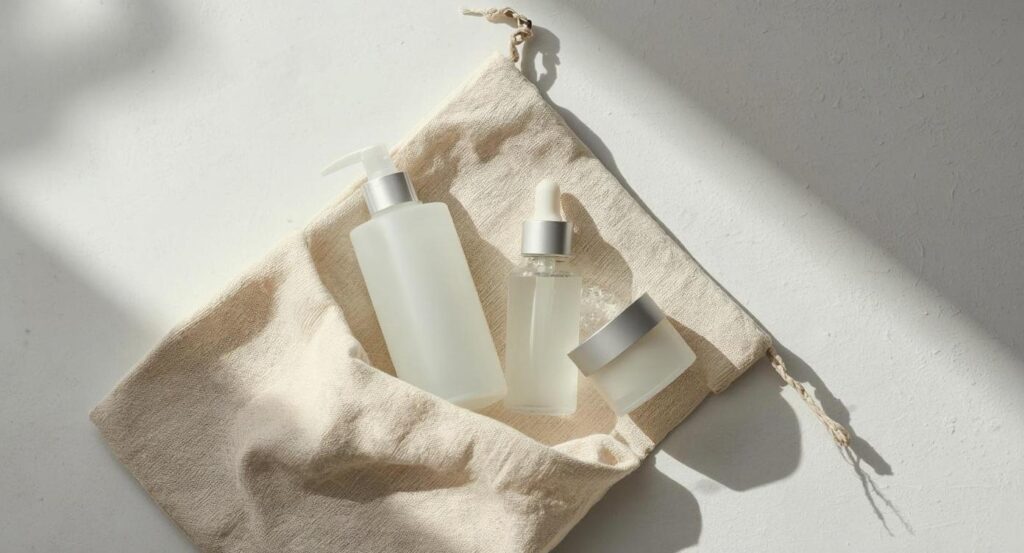
The Step: Apply a rich, ceramide-based cream. Ceramides act as the “glue” between skin cells, ensuring your barrier is as leak-proof as possible before entering the 10% humidity cabin environment.
2. In-Flight: Managing the "Humectant Trap" & Sebum Shift
In flight, the environment is working against you. Your skin will attempt to adapt in two ways: evaporation and oil production.
The Humectant Trap: Never use a face mist alone. In a dry cabin, a mist without a “seal” will evaporate and pull intrinsic moisture out of your skin with it. Always follow a face mist with a lip balm or a moisturiser to lock that hydration in.
The Sebum Shift: To compensate for the “desert-dry” air, the skin often overproduces sebum. This “emergency oil” mixes with sweat and dead skin cells, creating a heavy, uncomfortable layer. This is why you feel “grimy” despite the dry air (it’s your skin’s desperate attempt to waterproof itself).
3. After: Immediate Lipid Restoration
The first few hours after a flight are critical for resetting your post flight skin to Singapore’s humid baseline.
The Cleanse: Use a gentle cream cleanser immediately upon landing. Your skin barrier is likely “leaky” and fragile; a cream cleanser removes the oxidised sebum and travel grime without further disrupting the delicate acid mantle.
Osmotic Rehydration: After a shower in Singapore’s humid air, apply a hyaluronic acid serum. This molecule acts as a high-capacity sponge, pulling the local humidity into your dehydrated tissue to rapidly restore volume and plumpness.
Advanced Post-Flight Recovery: Clinical "Perk Me Ups"
At SSKINS, we have engineered two specific protocols designed to rescue skin after flying.
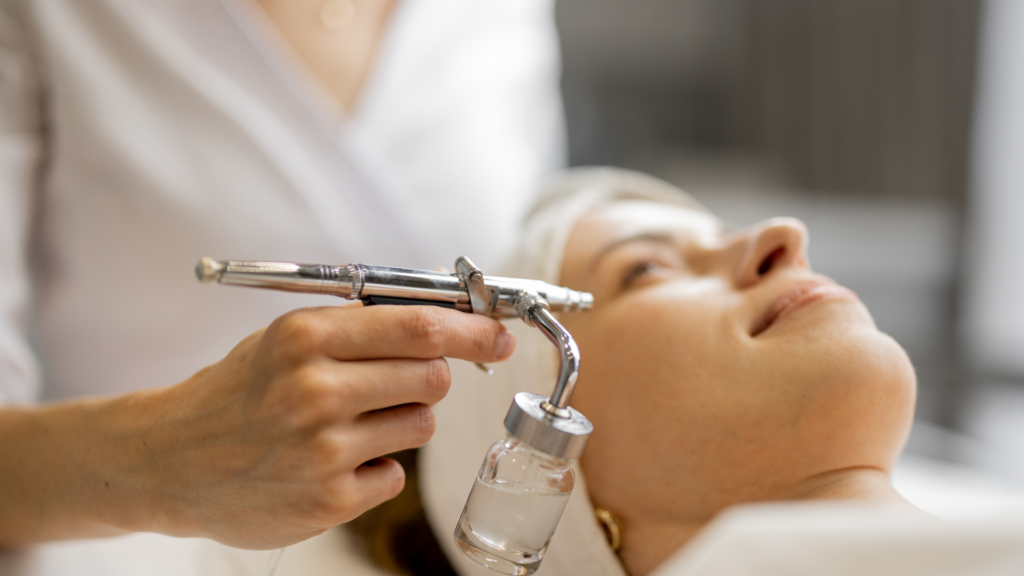
OxyJet Skin Rejuvenation
This treatment uses pulsed oxygen pressure to deliver high-concentration active products directly into the basal layer of the skin. It is the ultimate antidote for the “grey” look often seen after a journey, providing immediate hydration and a visible “plump” that topical creams cannot achieve.
Bio-Microcirculation Dermafacial
Cabin pressure and long periods of sitting lead to stagnant fluid and puffiness. This hydrating facial focuses on stimulating the skin and its underlying micro-vessels. By improving blood flow, we flush out the toxins that cause flare ups and ensure nutrients reach the skin surface. It is essential for all skin types.
Final Thoughts
By following this post-flight protocol, you ensure that your skin is resilient, regardless of how many miles you spend on the move.