Vitamin C: Do They Really Brighten Skin or Just a Fad?
Vitamin C is often hailed as a “holy grail” for achieving a radiant complexion, yet with so many products flooding the market, many wonder if the effects of Vitamin C are scientifically grounded or merely a well-marketed fad.
To understand the true benefits of Vitamin C, we must look beyond the labels and into the biochemistry of the skin. From protecting against environmental damage to aiding in wound healing, Vitamin C is a physiological necessity for maintaining the structural integrity of your skin.
The Science of Vitamin C and Your Skin
Vitamin C is a potent antioxidant that the human body cannot produce on its own. While the intake of Vitamin C through diet is essential for preventing Vitamin C deficiency and supporting iron absorption, the amount of Vitamin C that actually reaches the skin from internal sources of Vitamin C is often insufficient for aesthetic results.
This is why topical Vitamin C is so critical. When applied directly to the surface, Vitamin C can neutralise the free radicals generated by UV exposure and pollution. This antioxidant effect prevents the oxidative stress that leads to premature ageing, ensuring that the blood vessels and collagen matrix within the dermis remain resilient.
L-Ascorbic Acid: The Gold Standard
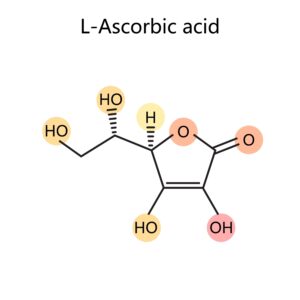
When researching Vitamin C in skincare, you will frequently encounter the term Ascorbic Acid (specifically L-Ascorbic Acid). This is the pure, chemically active form of Vitamin C.
Ascorbic Acid is the most widely researched version of the molecule and is highly effective for brightening a dull complexion. It works by inhibiting tyrosinase, the enzyme responsible for melanin production, thereby fading dark spots and evening out skin tone. However, Ascorbic Acid is notoriously unstable; it easily oxidises when exposed to light or air, which is why the formulation of the product is just as important as the concentration of Vitamin C itself.
The Benefits of Vitamin C in Professional Formulations
Not all Vitamin C serums are created equal. Depending on your skin type, the risk of irritation varies. For those with oily or blemish-prone skin, SkinCeuticals Silymarin CF is a breakthrough. It combines Ascorbic Acid with Silymarin to prevent oil oxidation, which is a major cause of breakouts in Singapore’s humidity.
For the delicate area around the eyes, the SkinCeuticals AOX+ Eye Gel provides a targeted dose of Vitamin C. This prevents the “cloudy” look caused by environmental damage and improves the appearance of fine lines, ensuring that the skin health around the orbital bone is maintained.
SSKINS Professional Vitamin C Treatments
While home care is vital, professional services can provide a more intensive delivery of Vitamin C to the deeper layers of the dermis.
The SkinCeuticals Ultimate Antioxidant Brightening Facial is designed to flood the skin with high concentrations of Vitamin C. This treatment focuses on reversing the effects of sun damage and pollution, leaving the skin visibly brighter and more refined.
For those seeking a more targeted approach to pigmentation, the SkinCeuticalsX Glow Corrector Vital-C Treatment uses advanced technology to enhance the absorption of Vitamin C. By combining Ascorbic Acid with professional-grade delivery systems, it accelerates wound healing and collagen synthesis.
Risk of Irritation: Is Vitamin C for Everyone?
Despite its benefits, there is a risk of skin irritation for those with sensitive skin. High concentrations of Ascorbic Acid have a low pH, which does not always sit well with a compromised skin barrier.
If you experience redness or stinging, it does not mean you should stop taking Vitamin C for your skin health entirely; rather, you may need a buffered formulation or a lower concentration.
Final Thoughts
By integrating Vitamin C into your daily skincare routine and opting for specialised Vitamin C treatments, you can achieve a level of luminosity that is far from a fad. Visit us at SSKINS to discover the right Vitamin C protocol for your unique skin health needs.