Why Your Hair Is Greasy but Your Scalp Is Dry: The Oily-Dry Paradox
It is a frustrating and seemingly contradictory cycle: you wash your hair in the morning because it feels limp and heavy, yet by the evening, your scalp feels tight, itchy, or flaky. This “oily-dry paradox” is a common scalp condition that leaves many searching for a functional oily hair dry scalp treatment.
When your hair is oily but the skin beneath is parched, it usually points to a disrupted skin barrier or an overcompensation of sebum production. Understanding what causes this imbalance is the first step toward achieving lasting scalp health.
What causes an oily scalp and dry skin?
The primary culprit behind an oily scalp that feels dry is often “reactive seborrhoea.” When the scalp is stripped of its natural moisture (often by harsh hair products or over-washing), the oil glands (sebaceous glands) go into overdrive to protect the scalp. This results in excess scalp oil coating the hair shaft, while the skin remains dehydrated and irritated.
Several factors can exacerbate these symptoms:
Product Buildup: Silicones and heavy waxes in certain hair products can trap oil and dead skin cells, leading to an oily scalp that cannot “breathe.”
Skin Conditions: Issues such as seborrhoeic dermatitis or psoriasis can cause the scalp to flake, which is often mistaken for simple dryness.
Environmental Stress: High humidity in cities like Singapore, combined with indoor air conditioning, creates a fluctuating effect on your scalp moisture levels.
If left unaddressed, chronic inflammation and an oily scalp can eventually lead to more serious concerns, such as hair thinning or hair loss. A congested environment stifles the follicle, which negatively impacts hair growth and overall density.
Home remedies and their limitations
When searching for how to manage this, many turn to home remedies. While some can help, they must be used with caution to avoid further disrupting the pH balance of the scalp.
Tea tree oil: Known for its antimicrobial properties, tea tree oil is excellent for addressing the yeast associated with seborrhoeic dermatitis. However, it must be diluted, or it may further dry out the skin.
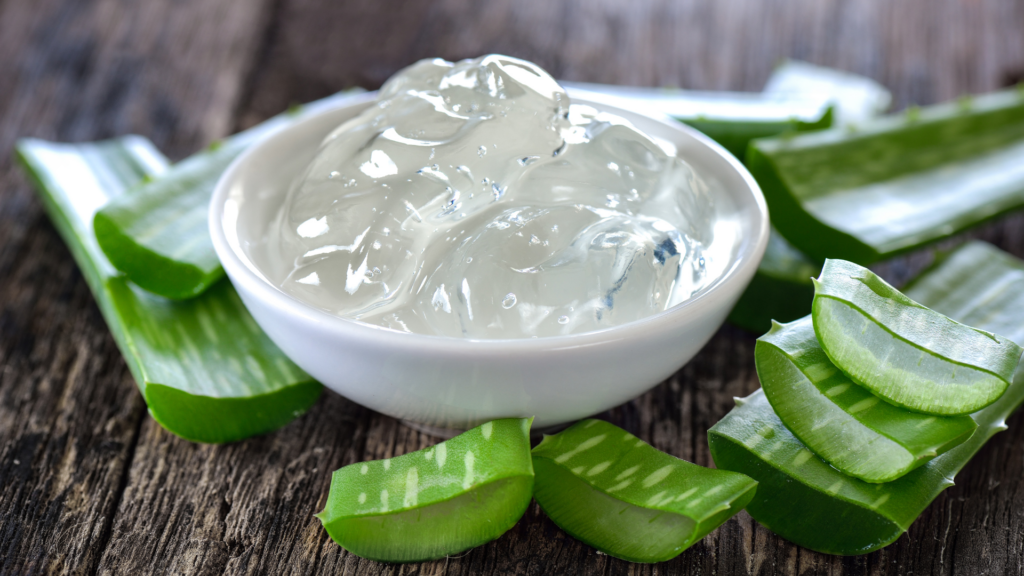
Aloe vera: If you have a sensitive scalp and hair, aloe vera provides soothing hydration without adding weight.
Apple cider vinegar: Some use apple cider vinegar rinses to break down product buildup, though its acidity can be too aggressive for those with a compromised barrier that is sensitive and already inflamed.
While these home remedies offer temporary relief, they rarely address the “root” cause of the oil imbalance. To truly restore scalp health, a professional scalp treatment is often necessary to deeply purify and rehydrate simultaneously.
The Professional Solution: SSKINS Kérastase Scalp BioBalance Program
Oily Scalp | Buildup & Congestion | Scalp Odour
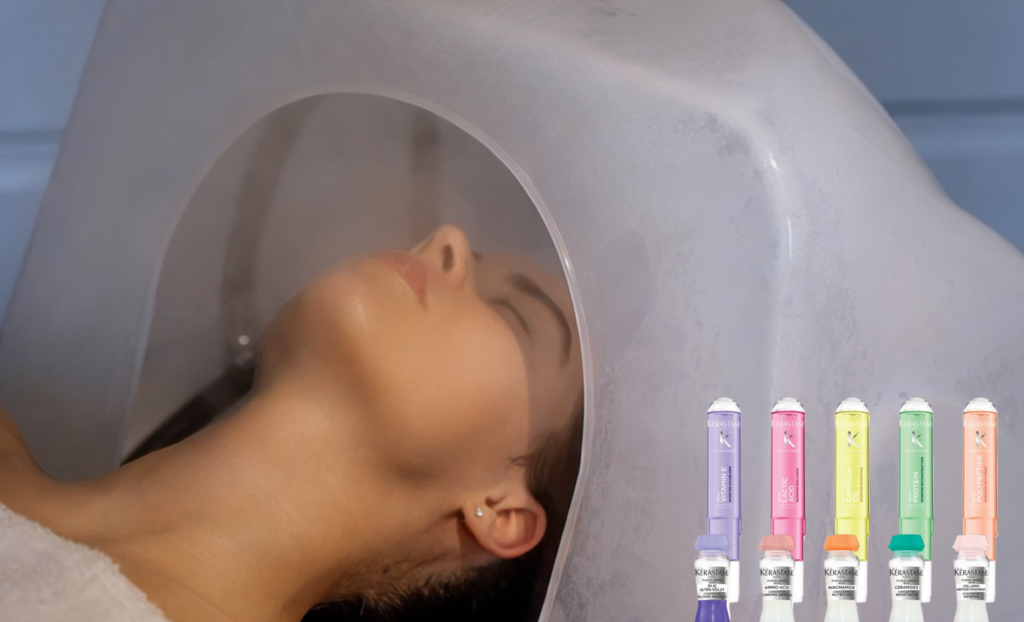
To move beyond the cycle of oily hair and a flaky scalp, a targeted reset is required. Within the dermatologist-curated SSKINS Kérastase Scalp BioBalance Program, our Scalp Purifying & Balance Therapy is specifically designed to address this paradox.
If your scalp gets oily quickly or your hair falls flat even after washing, it’s often a sign the environment needs rebalancing. This scalp treatment is a deep-refresh ritual that targets the root cause of limp oily hair: excess sebum production, trapped product buildup, and poor clarity.
The experience begins with intensive purification that refreshes the scalp surface, followed by a customised Kérastase Fusio-Dose + Booster infusion. This step is tailored for your specific scalp condition, helping to regulate oil without leaving the skin feeling tight. To further clarify, a wave of oxygen delivery restores an airy sensation to the roots, followed by a nurturing moisture wrap for the scalp and hair.
Achieving a healthy scalp and hair requires a consistent haircare routine. After a professional intervention, focus on using hair products that are free from harsh sulphates and heavy silicones. By prioritising scalp health, you not only resolve the grease-and-dryness paradox but also provide the best foundation to prevent hair thinning and hair loss.
Remember, the scalp is simply an extension of your facial skin; it deserves the same clinical attention and care.
We’ve all been there. You look in the mirror after waking up, and your jawline seems slightly less defined, your cheeks rounder, and your eyes look like you didn’t sleep at all. It is a frustrating way to start the day, but it isn’t permanent.
What you are seeing is simply a temporary buildup of fluid trapped in your facial tissues, a process often caused by lymphatic stagnation.
The glass skin trend has dominated global beauty routines for years, promising a complexion so luminous, smooth, and translucent that it resembles a pane of glass.
Originating from K-beauty, the glass skin look is seen as an ideal beauty standard especially in Asia, representing a uniform skin tone with luminosity and radiance.
When it comes to body contouring, many people in Singapore find themselves frustrated when a slimming treatment doesn’t yield the expected “flat stomach.” The reason usually lies in a misunderstanding of the two distinct types of fat sitting beneath the skin.
To achieve your body goals, it is essential to distinguish between the fat you can pinch and the fat you cannot see. Here, we break down the science of subcutaneous versus visceral fat, and exactly how an RF slimming treatment fits into your journey.
While modern hair care often relies on chemical interventions, there is a growing appreciation for holistic methods that integrate Traditional Chinese Medicine (TCM) with contemporary scalp science.
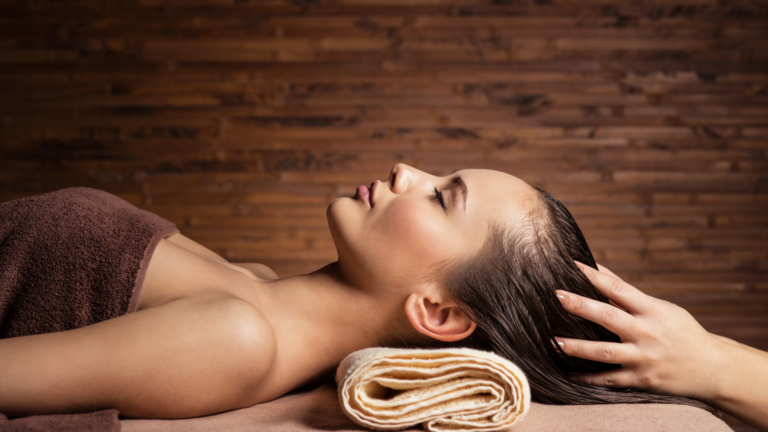
A scalp meridian massage is not merely a luxury at a hair salon; it is a targeted physiological scalp treatment designed to stimulate blood circulation and unblock energy channels that support long-term hair growth.
The concept of intermittent fasting has officially moved from the diet world to the vanity.
What is skin fasting? Does “doing nothing” for your skin yield results, or is it just TikTok science?
The idea of taking a break from a complex skincare routine is often misunderstood as a “cure,” when it is actually a diagnostic tool to restore your skin’s natural equilibrium.