The beauty industry is currently undergoing its most significant paradigm shift in decades. For years, the dominant narrative was anti-ageing, a reactive, often aggressive approach focused on “erasing” wrinkles and “stripping” the surface to reveal new skin.
However, we are now entering the era of skin longevity. This shift represents a move from surface-level correction to the optimisation of health span at a cellular level.

Traditional anti-ageing is almost always corrective. It treats a “broken” state, like using high-strength Retinol or aggressive AHAs to peel away a wrinkle that has already formed. It is a sprint to fix a visible problem.
Skin longevity is about preservation. Using NAD+ boosters or senolytics isn’t about fixing a wrinkle today. It is about ensuring the mitochondria (the cell’s battery) don’t die out three years from now. You are extending the “biological youth” of the cell so it stays functional for longer, rather than just forcing it to look better on the surface.
The pivot toward skin longevity is driven by a new clinical understanding of the skin barrier and its role in long-term health. In the past, the industry encouraged “intensity”, high-percentage acids and harsh peels that often left the barrier function compromised.
We now realise that chronic barrier disruption leads to “inflamm-ageing,” where persistent low-grade inflammation accelerates the degradation of the skin. Modern consumers are no longer looking for a “quick fix” that leaves your skin red and reactive.
Instead, they are seeking longevity skincare that preserves the skin’s natural ability to hold water, manage stress, and repair itself. Behaviorally, this has led to a demand for skincare products that support cellular energy and DNA damage repair, rather than just superficial exfoliation.
Stability over aggression.
To achieve skin longevity, we must address the biological root causes of decline. The science identifies several hallmarks of ageing that dictate the health span of the skin. While the industry once focused only on collagen production, we now target a broader spectrum of cellular dysfunction:
Cellular Senescence: The accumulation of “zombie cells” that have stopped dividing but remain metabolically active, secreting inflammatory signals that damage neighbouring cells.
Mitochondrial Dysfunction: The decline in cellular energy production, which slows down every repair process in the skin.
Telomere Shortening: The erosion of the protective caps on our chromosomes, which limits the number of times our skin cells can renew.
Epigenetic Alterations: Changes in gene expression caused by location and lifestyle (exposome), such as UV exposure and pollution.
Loss of Proteostasis: The failure of the skin to clear out damaged proteins, leading to “protein clumping” and dullness.
Genomic Instability: The buildup of DNA damage and oxidative stress from environmental stressors.
Deregulated Nutrient-Sensing: When cells lose the ability to properly use nutrients for repair.
Stem Cell Exhaustion: The fading capacity of the skin to generate new, healthy tissue.
Altered Intercellular Communication: The breakdown in how cells signal each other to stay in a state of repair.
Targeting these hallmarks through longevity skincare is how we move beyond “anti-ageing” and toward true cellular health.
The identification of these nine hallmarks has triggered a measurable shift in how skincare products are formulated and selected on the ground.
For example, we are moving away from simple “moisturisers” and toward high-performance barrier repair creams that mimics biological repair signals. This is reflected in the surge of specific ingredients now considered essential for maintaining a long health span:
Senolytics and Clearing “Zombie Cells”: To combat cellular senescence, the beauty industry is increasingly utilising flavonoids like Quercetin and specialised botanical extracts. These help the skin identify and clear out zombie cells before they can trigger “inflamm-ageing” in neighbouring healthy tissue.
NAD+ Boosters for Mitochondrial Energy: As we address mitochondrial dysfunction, ingredients that support NAD+ levels (such as Niacinamide and certain polyphenols) have become non-negotiable. These act as “cellular fuel,” ensuring the cells have the energy required for DNA damage repair and collagen production.
Adaptogens and Epigenetic Protection: To counter epigenetic alterations caused by a tropical location, there is a massive increase in the use of antioxidants and adaptogens. These ingredients help the skin maintain its barrier function despite constant UV exposure and urban pollution, preventing environmental stress from “switching on” ageing genes.
Peptides, Exosomes and Stem Cell Support: The integration of exosomes alongside signal peptides has revolutionised cell regeneration. Exosomes are specialized in intercellular communication, physically carrying regenerative signals to the cells that need them most. This process encourages the skin to remain in a constant state of renewal, preventing the typical decline associated with cellular aging.
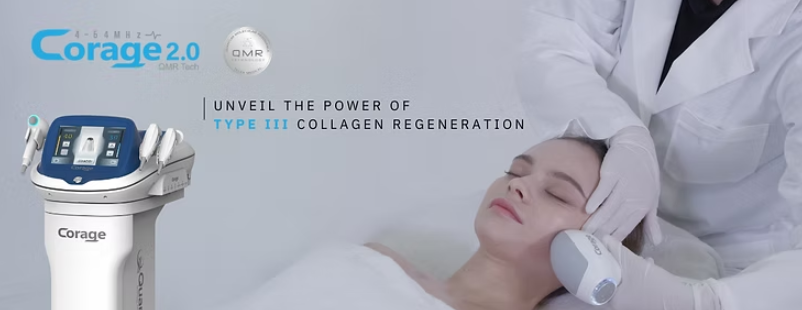
Achieving skin longevity in a tropical location like Singapore may require professional intervention that respects the skin’s biological rhythm. At SSKINS, we focus on treatments that stimulate regeneration without inducing unnecessary trauma.
Representing the future of clinical longevity – unlike traditional lasers that rely on heat or damage to trigger repair, Corage uses Quantum Molecular Resonance (QMR) technology.
This treatment works by creating a resonance field that directly stimulates the metabolism of the cells and the extracellular matrix. This “bio-hacking” approach encourages the skin to repair cellular senescence and restore density without the inflammatory downtime associated with older technologies.
For immediate barrier restoration and cellular nourishment.
This treatment is specifically calibrated for Singapore’s humidity. It focuses on deep-tissue infusion of ingredients that stabilise the skin barrier and neutralise oxidative stress. By replenishing essential lipids and antioxidants, it provides the “metabolic fuel” required for longevity.
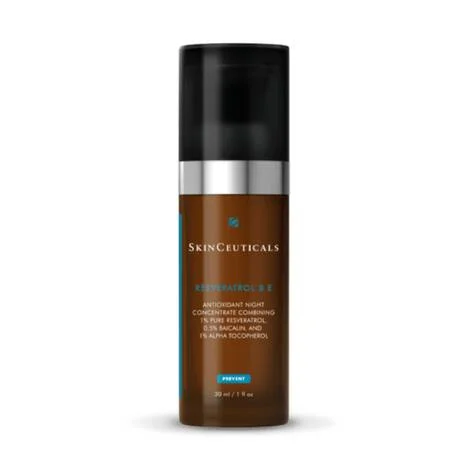
Professional treatments provide the “reset,” but skin health is maintained through a daily skincare routine. It is not just about using the right products; it is about using the right ones at the right time.
Daytime: Focus on a high-potency antioxidant to neutralise UV exposure, followed by a lightweight moisturiser and sunscreen.
Nighttime: At night, the skin shifts into repair mode. We recommend to boost the skin’s internal antioxidant system, followed by barrier function replenishment.
Skin longevity is not an overnight result. It is a clinical commitment to the health and resilience of your skin. By moving beyond the surface-level focus of anti-ageing, we can fundamentally change how the skin ages over time.