5 Nutrient-Dense Skin Foods That Actually Change Your Skin Chemistry
The best skin foods are those that support biological processes involved in skin health. By selecting specific skin foods, you can influence the production of collagen and stabilise the skin barrier from the inside out.
While most people are aware that drinking water and avoiding sugar can help, true skin transformation requires a deeper look at the amino acids and fatty acids that build our biological foundation.
The "Obvious" Skin Foods: A Brief Summary
Most skincare enthusiasts already know the best foods for healthy complexions include:
Avocados: A source of healthy fats and vitamin E.
Salmon/Tuna: Fatty fish rich in Omega 3s.
Berries: High in antioxidants and vitamin C.
Walnuts: Containing essential fatty acids.
Tomatoes: Rich in lycopene to protect your skin from environmental stress.
These foods are considered the baseline for healthy skin. However, there are some relatively less well-known potent, biologically active foods.
1. Sea Cucumber: The "Marine Ginseng" for Cellular Repair
Often overlooked in Western diet discussions but a staple in Singaporean wet markets, Sea Cucumber is a biological powerhouse. It is comprised of nearly 70% protein, specifically amino acids like proline and glycine which are the primary precursors for collagen synthesis.
What makes it a standout for your skin is its concentration of sulfated polysaccharides.
These molecules function similarly to hyaluronic acid, pulling moisture into the deeper layers of the dermis to create supple skin.
In Singapore, you can find this “marine ginseng” in double-boiled soups, providing a high-protein, low-fat way to boost skin health without weight gain.
Daily Requirement: To see the benefits in skin and joint elasticity, clinical studies on sea cucumber peptides suggest an intake of 500mg to 1,000mg of marine peptides.
Sea Cucumber Dosage: Roughly equivalent to eating 50g to 100g (one small serving) of rehydrated sea cucumber 1–2 times a week.
Alternatives:
Jellyfish: 100g–150g of shredded jellyfish (commonly found in cold appetizers at Zi Char or Japanese stalls).
Fish Maw: One small bowl of Fish Maw soup (approx. 30g–50g of maw) twice a week.
Green lipped Mussel: 3-5 large mussels.
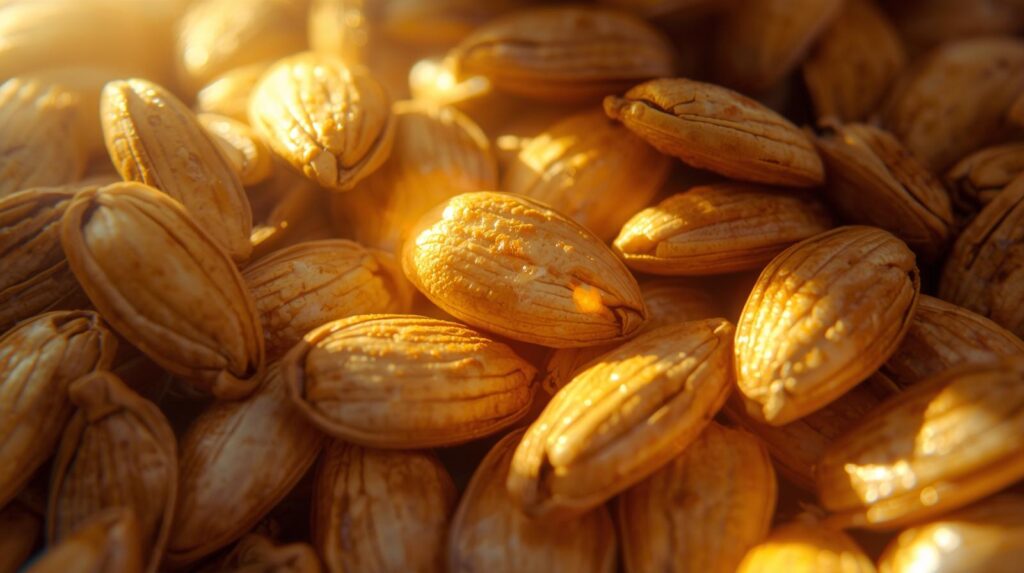
2. Sunflower Seeds: The Vitamin E Powerhouse
For supple skin, few foods are as effective as sunflower seeds. They are a great source of Vitamin E, a fat-soluble antioxidant that protects skin cells from oxidative stress.
Vitamin E works by neutralising free radicals that would otherwise degrade your skin structure. In a tropical location like Singapore, where UV rays are constant, having a diet high in Vitamin E acts as an internal shield. Adding sunflower seeds to your body’s daily intake ensures that your skin has adequate defence against UV radiation.
Daily Requirement: For adults, the Recommended Dietary Allowance (RDA) is 15mg of alpha-tocopherol (Vitamin E).
Is it Lacking? Yes, Vitamin E is one of the most common “under-consumed” nutrients globally because it is primarily found in high-fat plant sources that people often restrict.
Sunflower Seed Dosage: You need approximately 28g to 30g (about a small handful) of dry-roasted sunflower seeds to hit nearly 66% to 75% of your RDA.
Alternatives:
Almonds: ~60g (two handfuls).
Hazelnuts: ~100g.
Wheat Germ Oil: Just 1 tablespoon
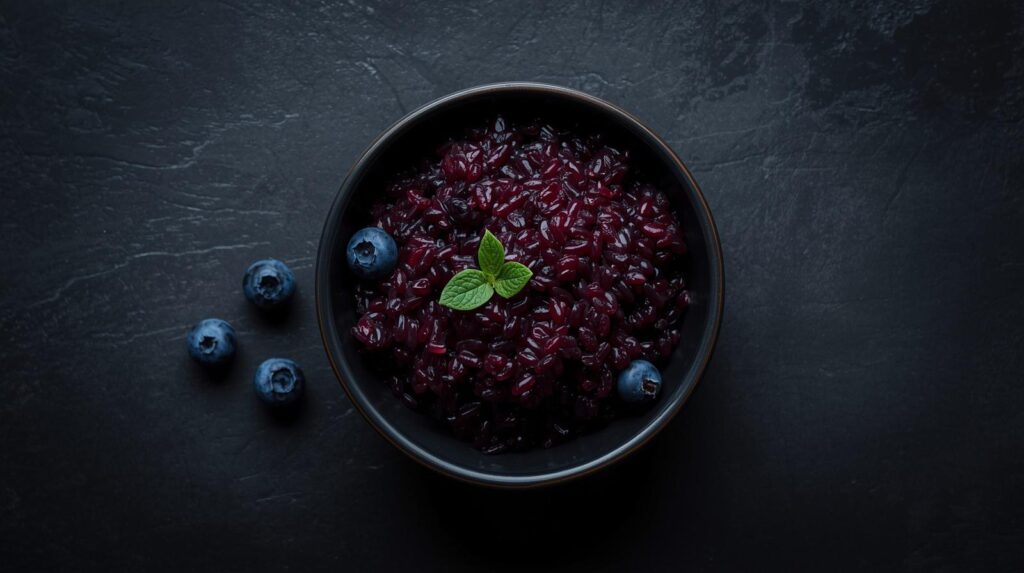
3. Black Rice (Pulut Hitam): Anthocyanin Support
Often overlooked, Black Rice is high in anthocyanins (the same antioxidants found in blueberries, but in much higher concentrations). This local staple is a potent skincare tool. These antioxidants protect your skin by scavenging free radicals that cause premature ageing.
The Vitamin A and amino acids found in black rice support the skin’s natural repair cycle. Unlike refined white rice which may lead to glycation and weight gain, black rice supports stable blood sugar, which is vital for maintaining a clear skin texture.
Daily Requirement: There is no “RDA” for anthocyanins, but clinical studies on skin elasticity suggest an intake of 50mg to 150mg.
Black Rice Dosage: Approximately 1/2 cup to 1 cup of cooked black rice daily provides a massive dose of antioxidants, exceeding a similar serving of blueberries.
Alternatives:
Black Grapes: ~1.5 cups (with skin).
Eggplant (Brinjal): 1 large eggplant (must eat the purple skin).
Purple Sweet Potato: 1 medium-sized potato. These are arguably the best local alternative in Singapore for stable blood sugar and skin health.
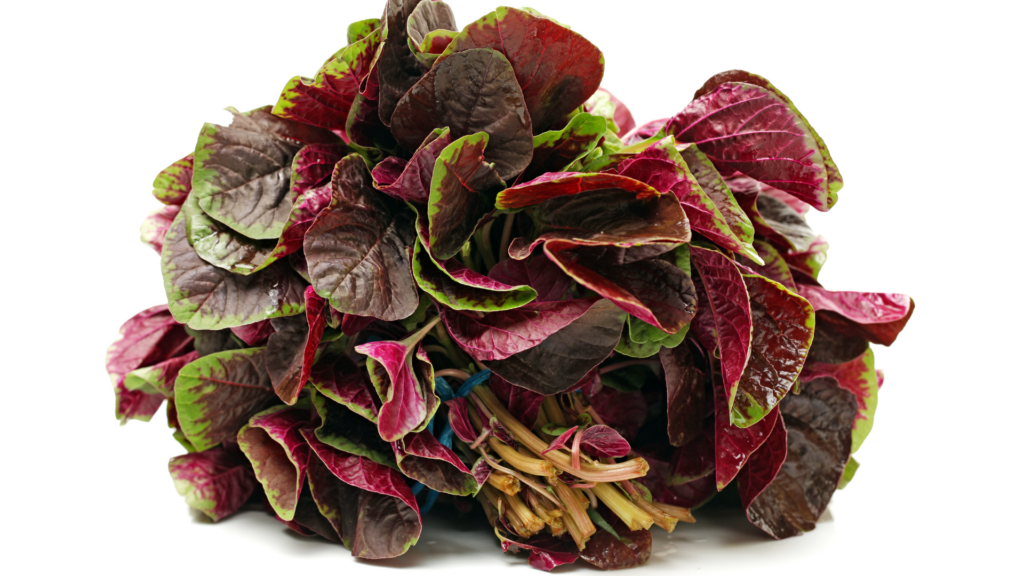
4. Amaranth Leaves (Bayam): The Vitamin A Alternative
Locally known as Bayam, these leafy greens are a good source of Vitamin A and beta carotene. While spinach is the “obvious” choice, Amaranth is arguably more nutrient-dense for skin health.
Vitamin A is essential for skin cell turnover. It ensures that your skin shed old cells efficiently, preventing clogged pores and dullness.
Daily Requirement: 700–900 µg RAE*/day
*RAE = Retinol Activity Equivalents, which measures how much vitamin A your body can obtain after converting carotenoids.
Bayam Dosage: 100g cooked bayam usually provides 350–450 µg RAE (40-60% of daily needs).
Alternatives:
Carrots: Just 50g (half a medium carrot) because of the sheer density of beta-carotene.
Pumpkin: 150g (roughly one thick wedge).
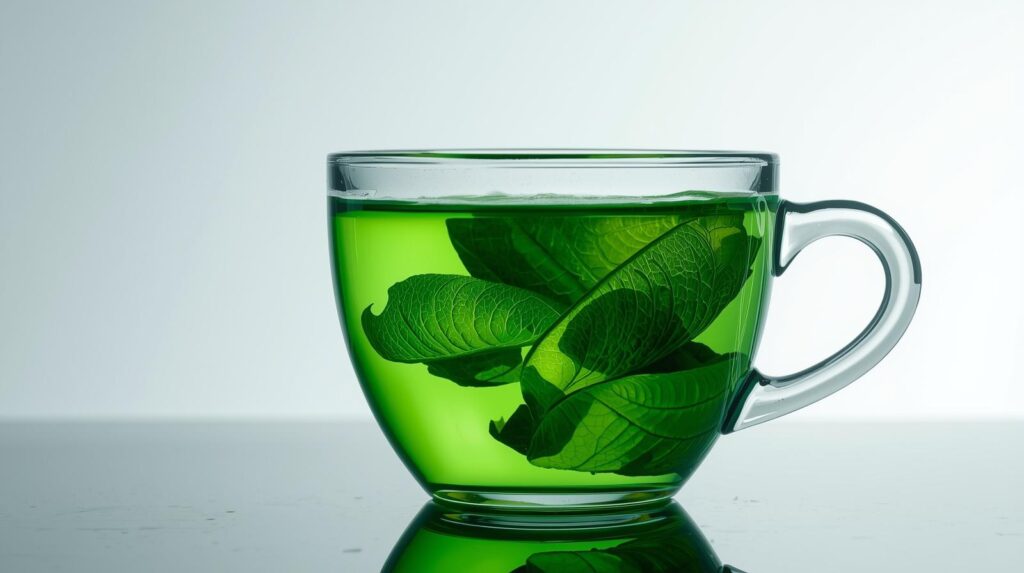
5. High-Grade Green Tea: The Epigenetic Protector
Green tea is more than a beverage; it is a chemical modulator for your skin. The catechins in green tea can help protect your skin against the DNA damage caused by UV rays.
Drinking high-quality green tea regularly influences your body’s ability to manage inflammation. It specifically targets the pathways that lead to skin sagging and collagen breakdown. For the best results for your skin, opt for matcha or loose-leaf green tea available in local tea houses, as these contain the highest levels of active polyphenols to fight free radicals.
Bottled vs. Satchets. vs Fresh:
Popular bottled teas in Singapore like Pokka or Ayataka go through high-heat sterilisation (UHT) and long storage times. This causes the catechins (EGCG) – the active “skin-repair” molecules – to degrade. Most bottled teas contain only a fraction of the antioxidants found in a freshly brewed cup.
Many cheap tea bags contain “tea dust” which has a high surface area, leading to faster oxidation of the nutrients. Whole leaf is always superior for skin chemistry.
Green Tea Dosage: Fresh Loose-Leaf/Matcha: 2 to 3 cups per day is the clinical “sweet spot” for skin anti-inflammation.
Bottled: You would likely need to drink 1.5 to 2 litres of bottled green tea to match the antioxidant power of 2 cups of high-grade, freshly steeped Japanese Sencha or Matcha.
Final Thoughts
Your skin is a reflection of your body’s internal chemistry. By choosing foods for healthy skin that go beyond the surface, you are investing in the long-term health and skin span of your skin, hair, and body.
Vitamin C is often hailed as a “holy grail” for achieving a radiant complexion, yet with so many products flooding the market, many wonder if the effects of Vitamin C are scientifically grounded or merely a well-marketed fad.