Double Cleansing 101: Is It Necessary for Singapore’s Humidity?

Living in the equatorial tropics presents a unique challenge for our complexion.

In Singapore, the relentless combination of 80% average humidity and high ambient temperatures does more than just make us feel “sticky”. It fundamentally alters the biochemical behaviour of our surface lipids.

For many, a single wash at the end of the day feels insufficient. This has sparked a significant debate about double cleansing and whether it is a functional necessity or merely an over-marketed trend.

From a professional perspective, the rationale for a double cleanse goes beyond just removing surface grime. It is about managing the complex interplay between sebum, sweat, and the particulate matter that characterises urban life in a bustling city.

What is double cleansing?

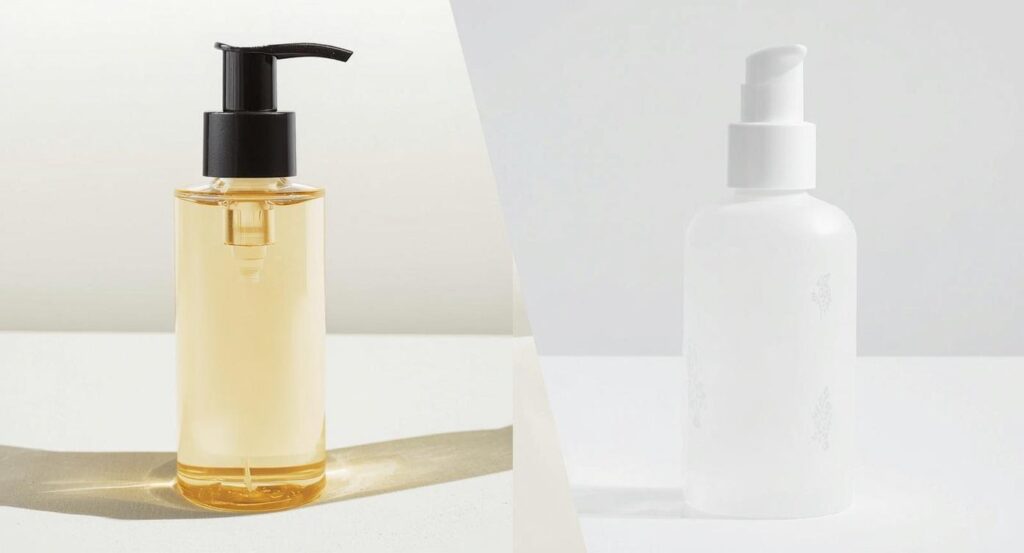
two different types of cleansers

To understand the science, we must first define what is double cleansing. Unlike simply washing your face twice with the same product, the double cleansing method is a strategic two-step process.

It begins with an oil based cleanser (such as a balm or an oil cleanser) applied to dry skin. This is followed by a water based cleanser, typically a gel cleanser or foam, to address the remaining residue. Double cleansing is effectively a lesson in “like dissolves like”. Oil-soluble impurities like tenacious sunscreen filters, silicone-based primers, and oxidised sebum require a lipid-rich medium to be fully displaced from the follicular ostia.

The "Tropical Sebum" Problem

One point that is often overlooked, even by skincare enthusiasts, is how humidity affects the viscosity of our natural oils. In Singapore’s heat, our sebaceous glands are in a state of hyper-productivity. However, high humidity also prevents the efficient evaporation of sweat. This creates a thick, occlusive film of “sweat-sebum emulsion” that traps dirt and airborne pollutants, such as PM2.5 particles, against the skin.

If you only use a single facial cleanser, you may remove the top layer of this film, but the heavier, lipid-soluble debris often remains lodged within the pores. Over time, this leads to the formation of micro-comedones. This is one of the primary benefits of double cleansing in our climate. It ensures that the “plug” of oxidised oil and pollution is physically dissolved before the second cleanse even begins.

Tailoring the double cleanse for your skin type

Dermatologists often caution against a “one size fits all” approach. While double cleansing is highly effective, the choice of products must respect your skin type.

  • For oily and acne-prone skin: You might assume an oil cleanser is counterproductive. On the contrary, using a non-comedogenic oil based cleanser can help regulate sebum by ensuring pores are truly clear, preventing the “rebound oiliness” that occurs when your skin is over-stripped by harsh soaps.


  • For sensitive or dry skin types: You need to be more selective. Opt for a lipid-replenishing balm followed by a milky, non-foaming water based cleanser. The goal is cleansing without disrupting the acid mantle or the delicate stratum corneum.

How to double cleanse for maximum efficacy

To reap the benefits of this method, technique matters as much as the product.

  • The First Step: Apply an oil cleanser to your dry face. Massage for 60 seconds to allow the lipids to break down makeup and long-wear SPF.

  • Emulsify: Add a touch of lukewarm water to turn the oil into a milky emulsion before rinsing.

  • The Second Step: Use your gel cleanser on damp skin. This step focuses on removing the emulsified oils and water-soluble sweat.

By the time you finish, the rest of your products like antioxidant serums or lightweight hydrators will have a far better chance of penetration. Without a thorough double cleanse, these expensive actives often sit on top of a microscopic layer of debris, significantly reducing your skincare efficacy.

Is it a daily necessity?

So, do you need to do this every single day?

If you spend your day in a temperature-controlled office with no makeup, a single, thorough cleansing usually suffices.

However, if you apply water-resistant sunscreen, wear foundation, or spend time commuting through the city, double cleansing is your best defence against premature ageing and congestion.

SSKINS Recommended Cleansers

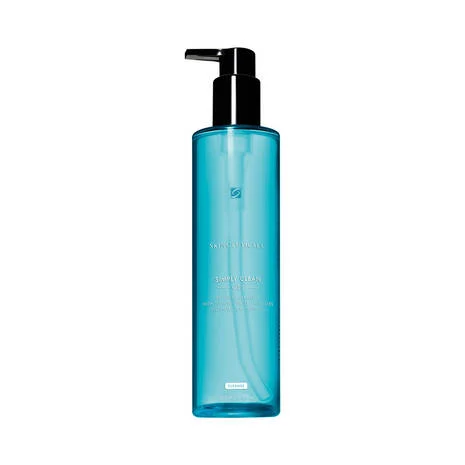
SkinCeuticals Simply Clean is an excellent option for the water-based step. It uses an amino acid surfactant system and a 6% concentration of sulfonic acid (HEPES) to gently exfoliate uneven or rough skin while removing any remaining traces of waterproof makeup.

If you are dealing with more persistent congestion or signs of ageing, SkinCeuticals Blemish + Age Cleansing Gel offers a more potent alternative. This professional-grade gel cleanser combines Lipo-Hydroxy Acid (LHA), Glycolic Acid, and Salicylic Acid to decongest pores and brighten the skin tone. It is particularly effective for those who find that our local humidity leads to frequent breakouts or “maskne”.

Final Thoughts

Ultimately, regarding double cleansing, it is less about following a trend and more about understanding the environmental tax our climate places on the skin. When done correctly, this cleansing method does not just clean. It preserves the integrity of your skin barrier while ensuring your skincare routine actually delivers on its promises.

You might enjoy these

You might
enjoy these

Vitamin C is often hailed as a “holy grail” for achieving a radiant complexion, yet with so many products flooding the market, many wonder if the effects of Vitamin C are scientifically grounded or merely a well-marketed fad.
For many, the gym is a place of transformation, but while you are smashing your fitness goals, your complexion might be paying the price.

The combination of sweat, heat, and friction creates a breeding ground for bacteria, often leading to the frustrating phenomenon of “gym acne.”
While much of the conversation around ageing and hair focuses on hair loss, many people find that the most striking transition is actually a significant texture change.

You may wake up one day and realise your hair no longer feels soft or behaves the way it did a decade ago.
It is a frustrating and seemingly contradictory cycle: you wash your hair in the morning because it feels limp and heavy, yet by the evening, your scalp feels tight, itchy, or flaky. This “oily-dry paradox” is a common scalp condition that leaves many searching for a functional oily hair dry scalp treatment.
When it comes to the skincare routine, the face often receives the lion’s share of attention, leaving the neck and décolletage as an afterthought.

However, the neck is one of the first areas to display visible signs of ageing. This is primarily because the skin on the neck is significantly thinner than that on the face, with a much lower density of sebaceous glands and a more delicate dermal matrix.
Search

Root Strenghtening

Choose This IF

Improved Follicle Anchor

Enhanced Nutrient Delivery

Denser Hair

PURIFY

Choose This IF

Regulates Sebum Production

Increases Volume At The Roots

pH Balance

CRYOCALM

Choose This IF

Suppress Inflammation & Redness

Deep Hydration

Epidermal Barrier Resilience