Dry Scalp vs Dandruff: What’s The Difference & How To Treat It

Many people assume that a dry scalp and dandruff are the same thing, but they are not. While both lead to flakes on your scalp and discomfort, their causes, symptoms, and treatments differ.

Understanding the difference between dandruff and dry scalp is the first step towards healthier hair and skin.

What’s The Difference Between Dandruff And Dry Scalp?

To tell the difference, we need to look at what is happening on the scalp itself.

  • A dry scalp is simply a lack of sufficient moisture in the skin on your scalp. It behaves much like dry skin on other areas of the body — the skin cells flake off because they lack hydration.
  • Dandruff, on the other hand, is caused by an overgrowth of a yeast-like fungus called Malassezia, combined with excess oil. This leads to irritation, increased shedding of skin cells, and visible white or yellow flakes.

So, while both conditions produce flakes, the symptoms and underlying mechanisms differ.

Common Symptoms Of A Dry Scalp

The symptoms of a dry scalp can include:

  • Small, white flakes that resemble dry skin.
  • Itching or tightness on your scalp.
  • Redness or irritation, especially in drier climates or during colder months.

A dry scalp can be caused by external factors such as:

  • Harsh shampoos and hair products.
  • Cold weather or low humidity.
  • Overwashing, which strips natural oils.

Essentially, a dry scalp is more about moisture loss and skin barrier imbalance.

Common Symptoms Of Dandruff

Dandruff presents slightly differently:

  • Flakes are often larger, oilier, and may appear yellowish.
  • Itching is usually more intense.
  • The condition is caused by excess oil and sensitivity to the fungus that lives naturally on your scalp.

Dandruff can be worsened by factors such as:

  • Stress or hormonal fluctuations.
  • Oily scalp conditions.
  • Lack of regular cleansing.

Unlike a dry scalp, dandruff is not just dehydration. It is linked to skin cell turnover and microbial imbalance.

Symptoms
Dry Scalp
Dandruff
Flakes
Small, dry white flakes
Larger, oily, yellowish or gray flakes
Scalp condition
Tight, itchy, sometimes with dry skin elsewhere on the body
Oily, greasy scalp with redness or irritation
Itchiness
Mild to moderate, often linked to dryness in the skin
Moderate to severe, persistent itch linked to irritation
Other skin involvement
Common if you have eczema or dry skin elsewhere on the face/body
Often linked to seborrhoeic dermatitis, which can also affect eyebrows, sides of nose, chest
Scalp appearance
Skin on your scalp looks dry and flaky
The scalp may look greasy, inflamed and scaly

What Causes Dandruff And Dry Scalp?

dandruff flakes

Understanding what causes each condition helps in choosing the right treatment options.

Dry Scalp Causes

A dry scalp is caused by insufficient moisture in the skin on your scalp.

Triggers include cold, dry climates, frequent shampooing, hot showers, and harsh haircare products that strip natural oils.

Underlying conditions such as eczema or psoriasis can also cause flaking that mimics dandruff.

Dandruff Causes

Dandruff is caused by excess sebum (oil) combined with the overgrowth of a yeast-like fungus called Malassezia.

The fungus breaks down oils on the scalp into irritants (oleic acid), which inflame the skin and speed up skin cell turnover. This leads to clumping of flakes.

Factors like hormonal changes, stress, humidity, and poor scalp hygiene can make dandruff worse.

Unlike a dry scalp, dandruff is not simply dryness. It is an inflammatory response of the scalp.

How To Treat Dry Scalp vs Dandruff

hair care products

When considering how to treat these conditions, the approach must match the root cause.

For A Dry Scalp

  1. Use gentle shampoos free of sulphates and alcohol.
  2. Avoid over-washing, as it strips natural oils from your scalp.
  3. Incorporate nourishing oils or hydrating scalp serums.

For Dandruff

  1. Medicated shampoos with zinc pyrithione, selenium sulphide, or ketoconazole are often used to target the root causes of dandruff (fungal overgrowth and excess sebum).
  2. Maintain consistent scalp hygiene to prevent oil build-up.
  3. Manage stress and diet, which can influence flare-ups.

Professional Scalp Treatments In Singapore

scalp treatments at SSKINS

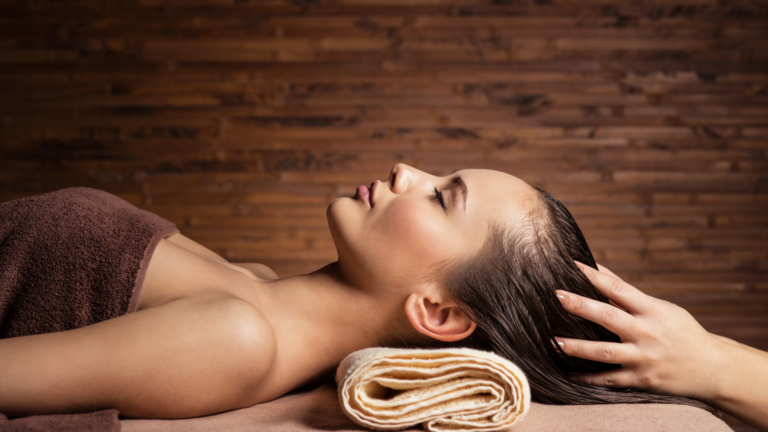
At SSKINS, we see many clients unsure whether they are struggling with dandruff vs dry scalp. Professional treatments can complement home care by addressing both scalp hydration and microbial balance.

HydroB Silk Scalp Ritual: A scalp treatment that deeply hydrates and replenishes the skin on your scalp, restoring balance and relieving the discomfort caused by dryness.

Scalp Defense Anti-Bacteria Therapy: Targets dandruff and microbial imbalance, calming irritation while reducing flakes and supporting long-term scalp health.

Both treatments are non-invasive, relaxing, and tailored to your scalp condition.

Can Home Remedies Help?

Some home remedies can provide temporary relief for mild cases:

  • Applying coconut oil or aloe vera for hydration.
  • Using apple cider vinegar rinses for microbial balance.
  • Adjusting shower routines to avoid very hot water.

While home remedies may help, persistent or severe dry scalp and dandruff should be assessed by a professional, as chronic patchy hair loss or scaling could signal an underlying skin condition.

Final Thoughts

When it comes to dry scalp vs dandruff, the difference between dandruff and dry scalp lies in whether the issue is moisture loss or microbial imbalance. The right diagnosis is key, because treatments differ. If you have flakes on your scalp and are unsure of the cause, consult a professional who can guide you to the most suitable care.

With the right approach, you can bring your scalp back to balance, ensuring comfort, confidence, and healthier hair.
You might enjoy these

You might
enjoy these

We’re all familiar with RF treatments, but is QMR slowly replacing them? Find out why!
Chemical exfoliants have become a cornerstone of modern skincare routines, helping to renew skin cells and reveal a fresher, smoother complexion. Among these exfoliants, AHAs and BHAs are two of the most popular categories. But when it comes to AHA vs BHA, how do you know which one is right for you?
When it comes to hair care, choosing the right shampoo and conditioner can feel as personal as selecting your skincare. Each scalp, strand, and hair type responds differently to certain ingredients, and understanding them can transform your daily routine into one that truly delivers visible results.
Living in Singapore means your skin faces a unique challenge every day. The island’s hot, humid, and tropical climate creates an environment where heat, sweat, and moisture compete with pollutants, UV exposure, and air conditioning. This combination can disrupt the skin’s natural balance, making it essential to build a skincare routine that suits local conditions.
How do we control hormonal acne breakouts? Understand what triggers them and possible solutions.
“Beauty sleep” is not a myth. The secret to radiant, youthful skin begins long before your morning skincare routine – it starts at night. During sleep, your body enters a crucial phase of restoration where skin repair, cell renewal, and collagen production peak. This is the true essence of beauty rest: your skin’s most important recovery period.
Search