When you are asleep, your skin increases blood flow, rebuilds collagen, and repairs damage from UV exposure and pollutants. A consistent night of beauty sleep helps reduce visible fine lines, improve skin tone, and maintain a balanced, healthy complexion. On the other hand, poor sleep can lead to dullness, dryness, and premature ageing over time.
While we rest, the body shifts into a regenerative state. This is when your skin works hardest to reverse the day’s damage. The process of skin repair involves increased production of collagen and elastin, which keep your skin firm and supple.
A good night of sleep also supports natural hydration and helps balance the skin barrier. When sleep is disrupted or shortened, transepidermal water loss increases, leaving your skin dehydrated and more sensitive. That is why poor sleep can make your face appear tired and less plump, even if your skin care routine is consistent.
Research has shown that poor sleep can have the same long-term impact on your skin health as chronic sun exposure. When sleep loss occurs, your body produces more stress hormones such as cortisol. This triggers inflammation that breaks down collagen and weakens the skin’s barrier function.
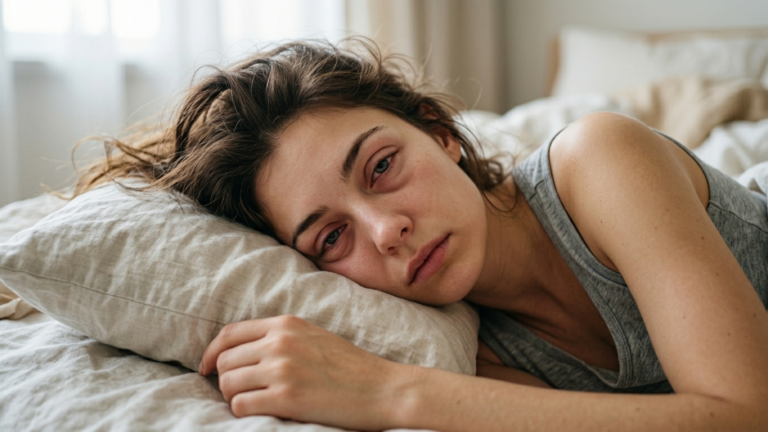
Sleep deprivation also affects blood flow to your face, reducing oxygen and nutrient delivery to skin cells. The result is a lacklustre complexion, uneven skin tone, and visible dark circles under the eyes. Over time, poor sleep can make your skin more prone to wrinkles and sagging.
Just one night of disrupted sleep can make your appearance look noticeably older due to puffiness, dullness, and uneven skin tone. Prolonged sleep deprivation is even associated with reduced elasticity and slower healing – signs that your body is struggling to recover.
Your body depends on adequate rest to regulate hydration and circulation. During deep stages of sleep, the immune system releases growth hormones that stimulate skin cell turnover. This process helps your skin retain moisture and maintain a healthy glow.
Meanwhile, certain compounds such as hyaluronic acid – a naturally occurring molecule essential for your skin’s plumpness – are more effectively replenished when sleep quality is high. When sleep is irregular or insufficient, hyaluronic acid levels decline, contributing to dryness and fine lines.
If you often wake up with dull, tired skin, it may be a sign of disrupted circadian rhythms affecting your body’s repair cycle. To support skin health, aim for at least seven to eight hours of sleep each night, allowing your body the time it needs for optimal rejuvenation.
The link between sleep and appearance is clear. People who are sleep deprived often experience dull skin, enlarged pores, and visible dark circles. This happens because poor sleep affects blood flow and oxygenation in your face, making it harder for the skin to renew itself overnight.
Moreover, sleep disorders such as insomnia can lead to chronic sleep deprivation, which in turn accelerates cellular ageing. When the immune system is compromised, inflammation increases and the skin loses its natural defence against environmental damage. Simply put, sleep can be as powerful as any topical product in preserving your skin’s youthful appearance.
To make the most of beauty sleep, complement your nightly rest with a restorative skin care routine. Look for products that support overnight renewal – ingredients like peptides, ceramides, and antioxidants help enhance the body’s natural repair processes.
Apply your serums or moisturisers before bed to create a barrier that locks in moisture. This not only supports hydration, but also optimises the environment for skin cell recovery while you sleep. Remember: sleep is when your skin does its best work.
Even a small improvement in sleep quality can make a noticeable difference in your skin’s appearance. Over time, consistent hours of sleep restore luminosity and firmness, giving your face that rested, well-nourished look often linked to youth and vitality.
The phrase “beauty sleep” carries more scientific truth than most realise. Sleep deprivation impacts nearly every organ in the body, and the skin – being our largest one – reflects it most visibly. From fine lines to dark circles, the signs of sleep loss are hard to hide.
Getting quality sleep each night is not just about feeling refreshed; it is a vital part of maintaining your skin’s health, texture, and tone. Prioritising rest is one of the most effective anti-ageing habits you can develop, proof that true beauty really does begin in your sleep.