Navigating your skincare routine during this period requires more than just a gentle touch; it demands a clinical understanding of which active skincare products remain safe for both mother and developing foetus.
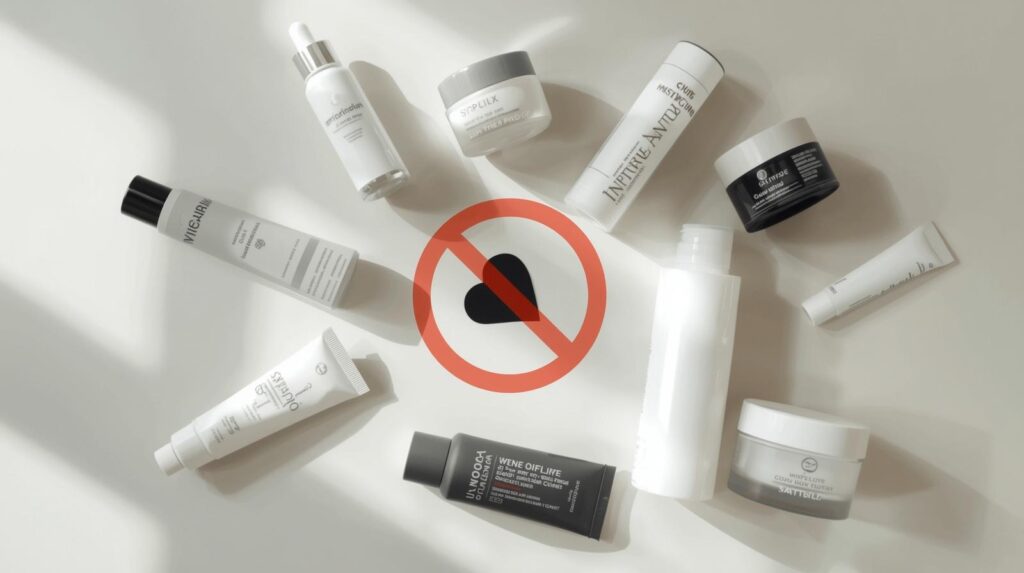
When curated correctly, a pregnancy safe skincare regime provides a protective barrier against the volatile nature of pregnancy skin. However, the primary concern for most expectant mothers is knowing exactly which ingredients to avoid.
The most critical exclusion is vitamin A and its derivatives, such as Retin-A or retinol. While these are gold standards for anti-ageing and acne in a standard skincare collection, they are contraindicated during pregnancy due to the risk of systemic absorption.
Similarly, high concentrations of salicylic acid (Beta Hydroxy Acid) and benzoyl peroxide should be used with caution or replaced entirely. While topical use in small amounts is often debated, many dermatologists suggest pivoting to safer keratolytic agents to manage pregnancy breakouts.
Always speak to your attending Obstetrician or Dermatologist for a thorough list of contraindications for pregnant mothers.
Fortunately, the modern skincare landscape offers sophisticated, professional-grade alternatives that deliver results without the associated risks. Transitioning to pregnancy safe skincare does not mean compromising on efficacy; it simply means choosing pathways that do not interfere with foetal development.
If you are struggling with congestion or an uneven skin tone including melasma, azelaic acid is a versatile powerhouse and a primary clinical recommendation for pregnancy. Unlike harsh acids, azelaic acid is a dicarboxylic acid that gently inhibits tyrosinase, the enzyme responsible for melanin production.
This makes it one of the best pregnancy safe options for treating both hormonal acne and the hyperpigmentation often referred to as “the mask of pregnancy”. It is bacteriostatic and anti-inflammatory, offering a safe alternative to benzoyl peroxide.
When choosing a serum for skin barrier repair, you can look for:
For those missing their vitamin A, Bakuchiol is an alternative. This plant-derived antioxidant has been clinically shown to stimulate the same genetic pathways as retinol (specifically the TIG1 and CRABP2 genes) to boost collagen production and cell turnover.
Because it does not share the same chemical structure as retinoids, it provides the “retinol effect” on fine lines and texture while remaining perfectly suitable for pregnancy and breastfeeding.
To help maintain a healthy pregnancy glow and protect the skin against environmental stressors, a well-formulated vitamin C serum can be a valuable addition to the routine.
Topical vitamin C (L-ascorbic acid), such as C E Ferulic, provides antioxidant protection by helping to neutralise free radicals generated by UV exposure, which can contribute to pigmentation and premature skin ageing.
It also plays a critical role in collagen synthesis by acting as a cofactor for the enzymes prolyl and lysyl hydroxylase, which stabilise the collagen molecule. This helps brighten the skin without the irritation often caused by more aggressive chemical lighteners.
During pregnancy, the skin barrier can become compromised due to fluctuating fluid levels. Niacinamide is a safe, water-soluble vitamin that increases the production of ceramides and free fatty acids in the stratum corneum. This strengthens the skin barrier, reduces redness, and helps manage the “reactive” nature of pregnancy skin.
It is common to experience exceptionally dry skin or increased sensitivity during pregnancy and breastfeeding. This is where hyaluronic acid becomes an indispensable part of your skincare regime. As a humectant that can hold up to 1,000 times its weight in water, hyaluronic acid provides deep hydration that is completely safe for pregnancy and postpartum use.
For your daily skincare routine, consider these swaps:
The First Step: Switch to a gentle, lipid-balanced makeup remover or cleansing milk to avoid stripping the barrier.
The Treatment Step: Incorporate a soothing vitamin C or niacinamide serum to manage inflammation.
The Body: To support the stretching of the body and potentially mitigate the appearance of stretch marks, look for rich emollients that focus on skin elasticity.
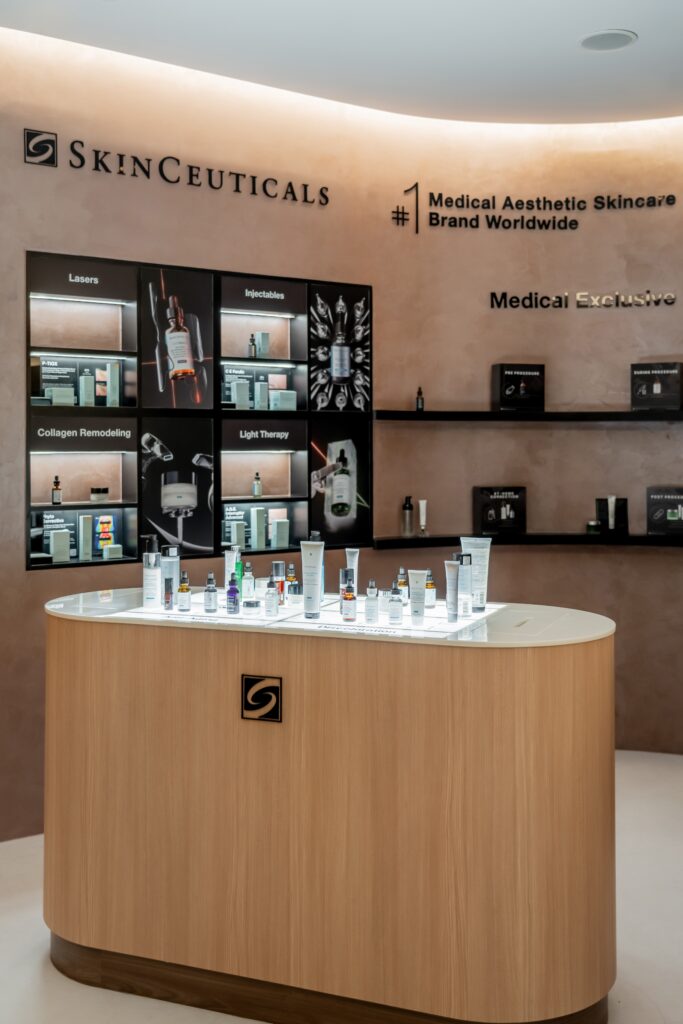
Maintaining professional-grade results while pregnant is possible through targeted, non-invasive treatments. At SSKINS, our SkinCeuticals Facial Collection offers five distinct treatments designed to address specific concerns while respecting the safety requirements of pregnancy.
Whether you require a deep hydration boost or a calming treatment for hormonal sensitivity, these medical-grade facials allow you to maintain your skin health in a controlled environment. Using safe skincare products and expert techniques, we ensure that your skin care remains effective throughout every trimester.
SSKINS is Singapore’s 1st Official SkinCeuticals Medispa Flagship.
Ultimately, the best pregnancy safe approach is one of simplicity and consistency. By auditing your current skincare and focusing on proven, low-risk actives like vitamin C, you can manage the common pitfalls of pregnancy while protecting your health.
If you are unsure whether your current safe skincare products are appropriate for use during pregnancy and beyond, a consultation with a professional can help you refine your skincare collection to ensure it meets the specific needs of your skin during this transformative time.