In recent years, many consumer skincare brands have adopted the same aesthetic language traditionally associated with professional clinics and dermatology practices. Terms like “clinical,” “professional,” and “medical grade” are now everywhere.
But does paying more automatically mean a product is stronger, more effective, or scientifically superior?

One of the biggest misconceptions in the skincare industry is that “medical grade skincare” is an officially regulated category. In reality, terms like “medical grade,” “clinical grade,” and “cosmeceutical” are largely marketing and industry terms rather than formal legal classifications.
That does not mean these products are ineffective. In many cases, medical grade skincare products do contain:
Higher concentrations of active ingredients
More advanced formulation systems
Stronger exfoliating acids or retinoids
Enhanced delivery technologies
However, effectiveness ultimately depends on the individual formulation itself, not simply the label on the bottle.
Broadly speaking, skincare products can be separated into two practical categories:
These are products sold directly to the public through pharmacies, department stores, beauty retailers, and online platforms.
They are designed for widespread use without professional supervision, meaning formulations generally prioritise tolerability, stability, and ease of use across many skin types.
These products are typically sold through aesthetic clinics, dermatology practices, or licensed professionals. Many are formulated with stronger active ingredients or targeted treatment goals in mind, particularly for concerns such as:
Acne
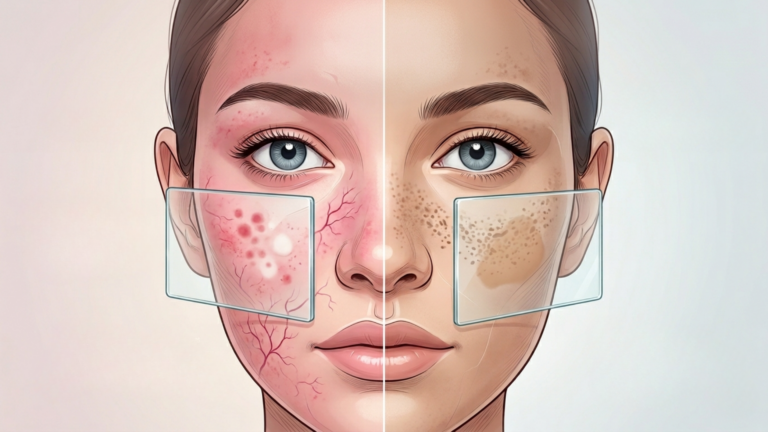
Pigmentation
Photoaging
Uneven texture
Visible sun damage
The key distinction is not necessarily that one category “works” while the other does not. Rather, medical grade skincare products are often designed to deliver more intensive correction for specific concerns.
One of the main differences between basic retail skin care and medical grade skin care is often the concentration and formulation of active ingredients.
For example, two Vitamin C serums may look nearly identical on the shelf, yet perform very differently depending on:
The type of vitamin C used
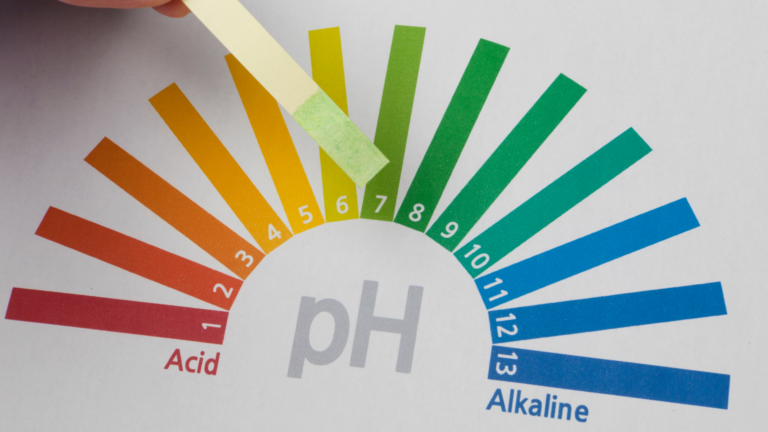
Formulation pH
Oxidation stability
Packaging
Penetration technology
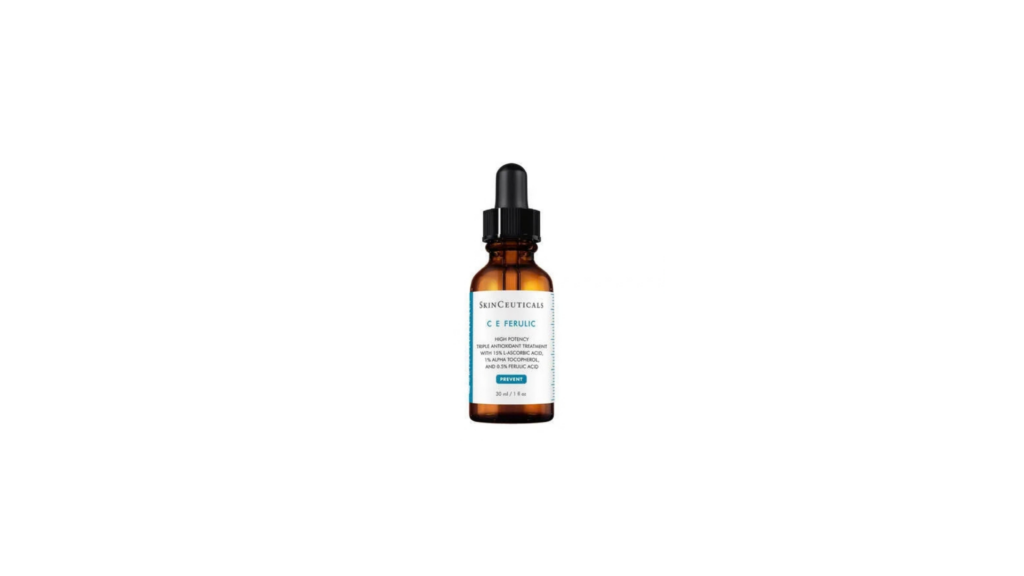
Many OTC products may use gentler vitamin C derivatives or lower concentrations of active ingredients when compared to clinic dispensed professional skin care, as they’re designed for maximum stability and minimal irritation.
Conversely, some medical grade products may use pure L-ascorbic acid at lower pH levels or prescription strength ingredients, to improve penetration and antioxidant activity.
The same principle applies to ingredients such as:
retinoids
exfoliating acids
peptides
pigment inhibitors
A common myth in the aesthetics industry is that over-the-counter skincare only works on the skin’s surface. Scientifically, this is not entirely accurate.
Many OTC ingredients are supported by substantial clinical evidence and can produce meaningful biological effects when used consistently.
Examples include:
Retinol
Adapalene (available OTC in some countries)
Niacinamide
Salicylic acid
Azelaic acid
Benzoyl peroxide
Sunscreen filters
For instance, retinoids have been shown to support collagen production and improve signs of photoaging over time, while daily sunscreen use plays a major role in preventing pigmentation and collagen degradation.
The difference is often one of intensity, speed, and treatment focus rather than whether a product works at all.
Medical grade skin care may deliver faster or more targeted improvements for specific skin concerns, but effective skincare is not exclusive to professional clinics.
Skincare efficacy is not determined solely by ingredient percentages.
A poorly formulated 20% Vitamin C serum may perform worse than a properly stabilised 10% formulation. Likewise, a retinol product that rapidly oxidises after opening may lose potency long before the bottle is finished.
Factors that influence product performance include:
Ingredient stability
Encapsulation systems
Air and light exposure
pH optimisation
Compatibility between active ingredients
Skin penetration technology
This is also one reason why some medical grade products are more expensive. In certain cases, the higher price reflects investment in research, formulation development, and manufacturing quality control rather than purely branding alone.
However, consumers should also recognise that luxury pricing does not automatically guarantee superior performance.
Another important distinction is the quality of evidence supporting a product.
Some consumer skincare brands rely heavily on perception-based marketing claims such as:
“Skin feels softer”
“Looks brighter”
“Appears smoother”
These claims are often based on subjective user feedback rather than objective biological measurements.
At the same time, it is important not to assume all clinic-dispensed skincare is automatically backed by rigorous scientific evidence. Some brands publish peer-reviewed studies and clinical data, while others rely primarily on branding and professional positioning.
For this reason, consumers should evaluate skincare products based on:
Ingredient quality
Formulation design
Published research
Clinical testing
Long-term tolerability
And not simply whether a product is labelled as “medical grade”.
A higher price tag does not automatically mean a skincare product is more potent or scientifically superior for your skin.
Some luxury skincare products are priced heavily around branding, packaging, fragrance, and marketing. On the other hand, some clinic-dispensed products genuinely invest in higher-strength formulations, advanced delivery systems, and more targeted treatment pathways.
In skincare, good science matters far more than good marketing.
Not always. Some clinic-dispensed products contain stronger active ingredients or more advanced formulation systems, which may help address stubborn concerns like acne, pigmentation, or photoaging more effectively.
However, many OTC skincare products also contain clinically proven ingredients and can produce excellent results when used consistently.
The higher cost may reflect:
Stronger active ingredient concentrations
Specialised formulation systems
Stability testing
Professional distribution models
Research and development costs
However, pricing can also be influenced by branding and positioning, so a higher price alone does not guarantee better results.
Yes. Ingredients such as retinoids, vitamin C, niacinamide, azelaic acid, and sunscreen filters all have research supporting their role in improving pigmentation, supporting collagen production, and preventing photoaging over time.
Not necessarily. Higher-strength products may increase irritation risk, particularly in sensitive or compromised skin. A gentler, consistent routine is often more sustainable and effective long-term than aggressively using highly concentrated actives.