One often overlooked reason is the local water supply.
Simply, hard water is water that contains a high concentration of dissolved minerals, primarily calcium and magnesium. As rainwater filters through natural environmental deposits like limestone, chalk, and gypsum, it picks up these naturally occurring minerals along the way.
Conversely, soft water has very low concentrations of these specific elements. Singapore’s domestic water supply is predominantly soft because our water quality management heavily relies on surface water catchments and advanced desalination processing, which systematically strips out these dissolved minerals.
Different countries have vastly different geological landscapes, which means their standard water quality metrics vary wildly.
Singapore: Singapore’s water is predominantly soft (usually around 15 to 30 mg/L of minerals). Because we lack massive underground limestone aquifers, our water comes from surface catchments and advanced desalination/NEWater reclamation, which strips out heavy minerals.
Japan and Parts of East Asia: In many mountainous or volcanic regions of Japan, water flows rapidly through volcanic rock filtration systems. Depending on the specific prefecture, the water transitions from ultra-soft to moderately mineralised. If you ever notice temporary cloudiness in the tap water here, it is typically just harmless air bubbles trapped by tap pressure rather than mineral sediment.
Europe and North America: Historic global cities like London, Paris, and New York are built over massive natural limestone bedrock basins. As a result, their municipal tap water is incredibly hard, carrying a high mineral density.
Does hard water affect your internal health the same way it affects your external barrier? To put it another way, does safe to drink automatically mean safe to use on skin?
The short answer is no. There is a massive operational difference between ingesting minerals and applying them topically to your body.
From a nutritional perspective, drinking hard water is completely safe and can actually be beneficial. The human body readily absorbs the dissolved calcium and magnesium during digestion, utilising them to support bone density, cardiovascular health, and regular enzyme functions.
World Health Organisation (WHO) guidelines explicitly state that hard drinking water carries no adverse systemic health side effects, even though it might taste a little chalky.
However, topical exposure may affect the skin barrier differently than ingestion. Excess mineral residue on the skin may interfere with the skin barrier and cleansing process in some individuals.
When you bathe with hard water, these minerals do not simply rinse down the drain. Instead, they interact with your natural oils which may contribute to dryness, irritation, or residue buildup.
Do not confuse hard water for undrinkable water!
When you hear about a country having “undrinkable tap water”, it is not because the water is hard or full of calcium. It is because of biological contamination or failing infrastructure.
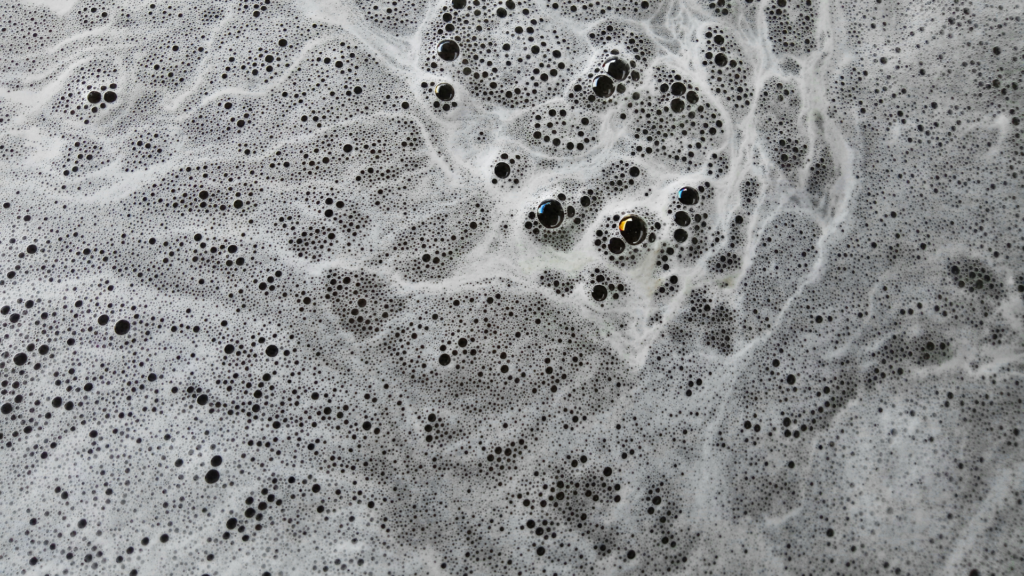
The most immediate issue with hard water on skin is its chemical reaction with standard cleansing surfactants. Calcium and magnesium ions carry a strong positive charge. When they come into contact with traditional soaps and foaming face washes, they chemically bind to the cleansing agents, preventing them from dissolving properly in water.
Instead of creating a clean, slippery lather, this reaction creates an insoluble, sticky film known colloquially as “soap scum.” This microscopic sludge behaves like a blanket, which can be more difficult to rinse away fully. It stays behind to leave a residue on the stratum corneum, which may contribute to skin congestion.
This persistent mineral buildup acts like a physical irritant. It breaks down the delicate lipid matrix of the skin barrier, which may compromise the skin barrier and increase moisture loss.
Once this protective shield is compromised, transepidermal water loss (TEWL) spikes. Your skin becomes excessively dry, raw, and highly reactive, which can lead to widespread skin irritation, unprovoked flaking, and a dull, dehydrated complexion.
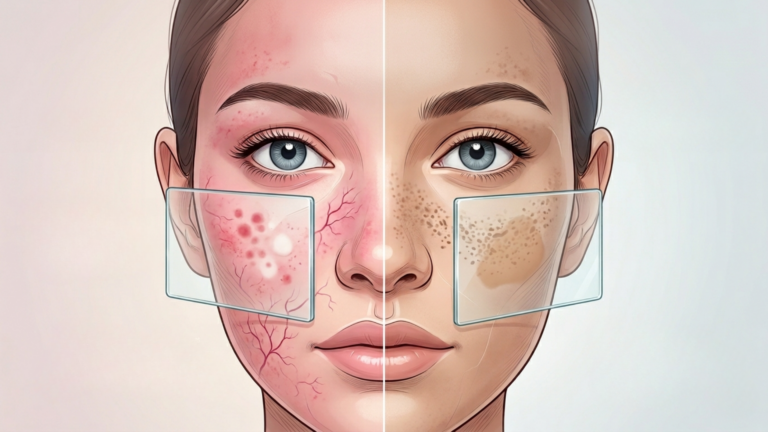
For individuals who already battle underlying skin conditions like eczema, psoriasis, or rosacea, exposure to hard water can significantly worsen flare-ups in some individuals.
Furthermore, your skin may get clogged and no longer be able to shed dead tissue efficiently, so traveling to a hard water city may trigger sudden bouts of post-travel acne and painful blemishes.
The damage isn’t just limited to your face; hard water can also affect your hair and scalp. The heavy mineral particles crystallise along the hair shaft, lifting the protective cuticles and trapping moisture outside.
This leaves your hair feeling brittle, straw-like, and prone to severe breakage. On the scalp, this mineral crust causes intense itching, redness, and a flaky, dandruff-like texture.
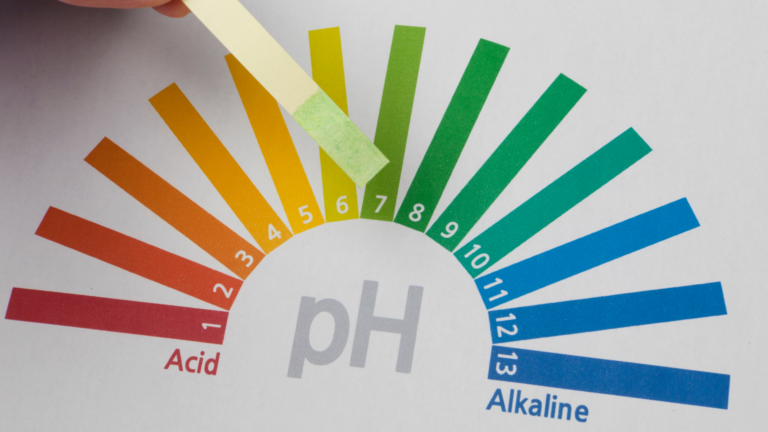
Healthy skin naturally maintains a mildly acidic environment, typically around pH 4.7 to 5.5. This acidic surface, often referred to as the acid mantle, helps support the skin barrier, regulate moisture balance, and maintain a healthy microbiome.
Hard water, however, tends to be more alkaline due to its dissolved mineral content. When combined with traditional soaps or foaming cleansers, this can temporarily raise the skin’s surface pH after washing.
For most people, the skin is capable of restoring its normal pH over time. However, repeated exposure, especially alongside harsh cleansers or frequent washing, may contribute to dryness, tightness, and barrier sensitivity in susceptible individuals.
If you are living in or traveling to a city dominated by hard water, you cannot control the municipal supply, but you can completely alter your defensive skincare strategy.
To neutralise the harsh alkaline minerals left behind by your water, you must introduce a specialised toner immediately after towel-drying. You need a formula that hydrates while actively re-balancing the surface environment.
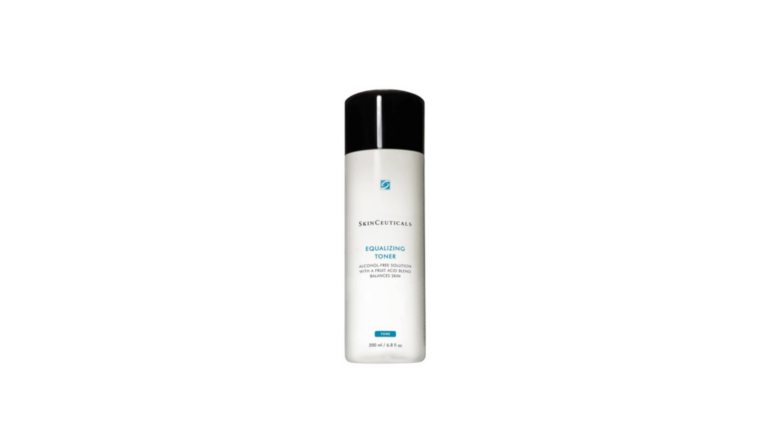
To counteract the drying effects of hard water on your face, we recommend integrating the SkinCeuticals Equalizing Toner into your travel and daily routine. This pH-balanced, fragrance-free refreshing toner is specifically engineered for all skin types to gently lift away stubborn residues, trace minerals, and cellular debris left behind by hard tap water.
Infused with a targeted blend of hydroxy acids to smoothly exfoliate dead cells, alongside calming botanical extracts of witch hazel, rosemary, and chamomile, it instantly softens texture and restores compromised moisture pathways.
SSKINS is an authorised retailer of SkinCeuticals products. Contact us here to reserve your favourite SkinCeuticals products!
Reduce the amount of tap water that actively touches your face. Consider using a high-quality micellar water on a cotton pad for your morning cleanse. For your evening routine, opt for non-foaming cream cleansers that do not rely on heavy water lathering to lift impurities, minimising the creation of soap scum on your tissues.
If you have recently returned from an extended trip overseas and find that your face is suffering from persistent congestion, flaking, or a rough texture due to prolonged mineral buildup, your skin may requires a deeper professional reset.
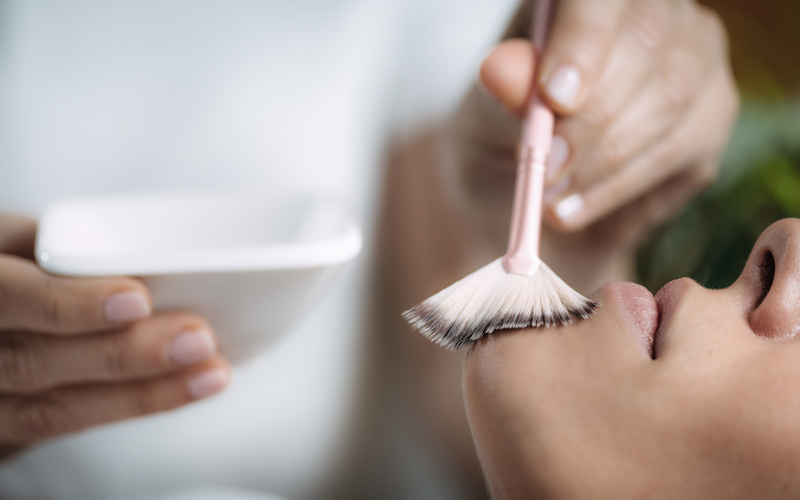
To reverse the stubborn skin problems caused by global travel, we highly recommend booking our signature Texture Reset Micropeel at SSKINS.
This specialised, non-invasive treatment is designed to sweep away the dense layer of accumulated dead cells and mineral buildup that compromises your natural radiance.
By precisely decongesting the pores and stimulating cellular renewal, it helps improve texture and remove accumulated surface buildup.
Water is the absolute foundation of our daily hygiene, yet its geographical variations can catch our skin completely off guard.
Whether you are navigating the historic, mineral-dense water pipes of Europe, exploring the shifting water standards across regional Japan, or enjoying the soft water of your home in Singapore, knowledge is your best defence.
While hard water is completely safe to drink and ingest, it can be detrimental to your skin when applied topically.
The high concentration of calcium and magnesium minerals interacts negatively with your natural oils and cleansers, forming an insoluble residue that clogs pores, strips away essential lipids, and breaks down the skin barrier. This can lead to chronic dryness, sensitivity, and acne.
The easiest ways to spot hard water include observing how your soap behaves: if your cleanser or shampoo struggles to create a rich lather and instead forms a thin, milky film, the water is likely hard.
Additionally, look for physical signs around the bathroom fixtures, such as chalky white spots or stubborn crusty deposits (limescale) on the showerhead and taps.
Most standard, affordable shower filters on the market are designed to remove chlorine, rust, and heavy sediments, but they do not actually soften water or remove dissolved calcium and magnesium ions. To completely eliminate water hardness, a specialised water softener system utilising ion-exchange technology is required.
However, using a high-quality carbon shower filter can still significantly reduce overall chemical impurities, helping to mitigate skin irritation.
If you suffer from eczema and travel to a region with hard water, minimise your skin’s exposure to the tap water by taking shorter, lukewarm showers instead of long hot baths. Avoid all harsh, foaming soaps and switch entirely to soap-free, non-foaming body washes.
Immediately after drying off, apply a generous layer of a lipid-replenishing emollient cream to lock in moisture and create a physical shield against the residual minerals left on the skin.