Far from being just a marketing gimmick, maintaining the correct pH level is a fundamental biological requirement for achieving a radiant, clear, and resilient complexion. When you disrupt this delicate equilibrium, your skin is immediately left vulnerable to a host of structural problems, from chronic dryness and irritation to acne flare-ups.
The term pH stands for “potential of hydrogen,” and it is a scale ranging from 0 to 14 used to specify the acidity or basicity of a water-based solution.
A pH value of 7 is completely neutral (like pure water).
Anything below 7 (<7) is acidic.
Anything above 7 (>7) is alkaline (basic).
The metric specifically measures the concentration of hydrogen ions in a substance. The pH of the surface of your skin does not match the neutral interior of your body. Instead, your skin is naturally slightly acidic, typically sitting at a pH of around 4.7 to 5.75.
This slightly acidic environment is completely intentional. It helps support normal skin barrier function, enzymatic activity, and the shedding of dead skin cells.
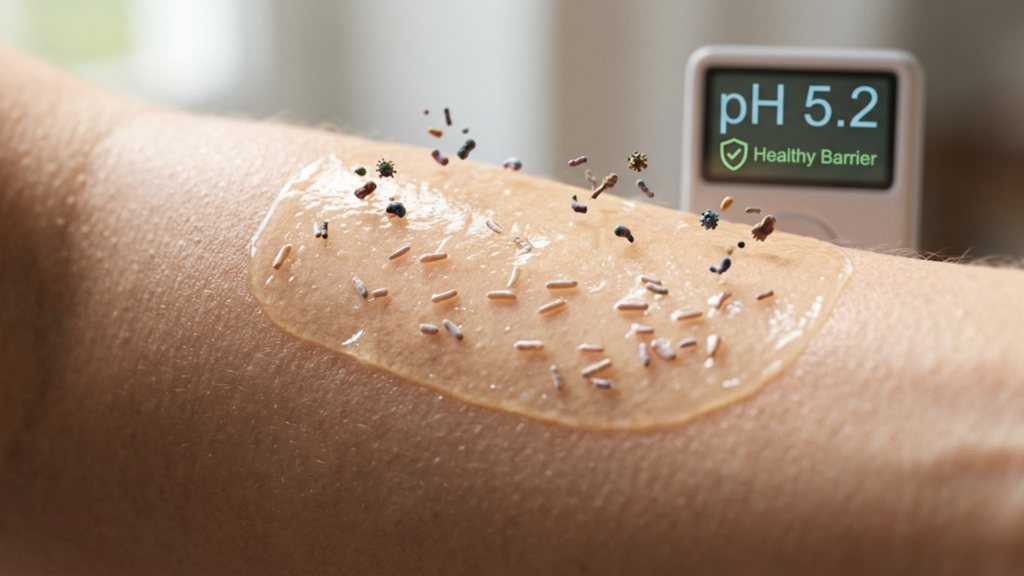
When we talk about the skin’s natural pH, we are directly referring to a microscopic fluid barrier sitting on the very outer layer of the stratum corneum known as the acid mantle.
The acid mantle is a delicate, film-like layer composed of sebum (natural fatty oils) secreted by sebaceous glands, lactic acid and amino acids from sweat, and the natural by-products of our skin’s residential microbiome.
The primary job of this acidic layer is to maintain the barrier function of the moisture barrier. A strong, healthy acid mantle acts like an invisible bodyguard for your skin, performing two critical tasks:
Locks Moisture In: It seals in cellular hydration, preventing transepidermal water loss (TEWL), which keeps the skin plump, soft, and supple.
Keeps Pathogens Out: The acidic environment helps discourage the overgrowth of certain pathogenic bacteria while supporting the skin’s natural microbiome.
Some skincare products can temporarily alter the skin’s surface pH, especially harsh cleansers or strong exfoliating acids. If you regularly use such products (like traditional bar soaps, which often have a pH of 9 to 11), you risk stripping away the acid mantle.
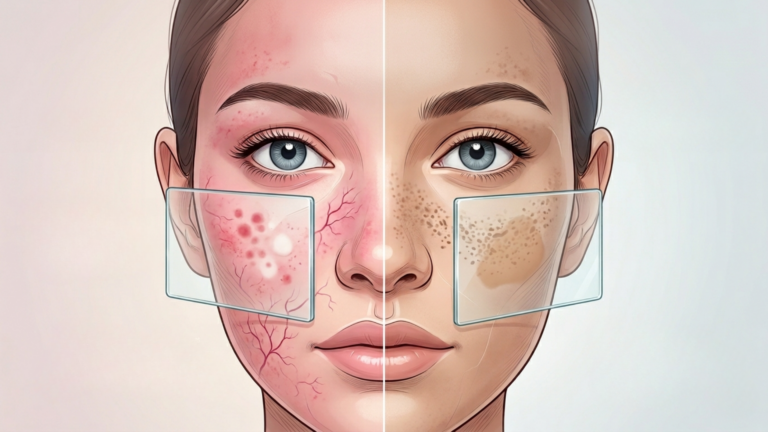
When your natural pH shifts too far into the alkaline zone, the integrity of the skin barrier can become compromised. This disruption manifests as two major types of skin issues:
When the pH rises, the lipid matrices holding your skin cells together become compromised.
Our skin loses its ability to retain moisture, leading to severe dehydration, flaking, and a tight, uncomfortable texture.
Prolonged barrier disruption and chronic inflammation may contribute to premature visible skin ageing over time.
While keeping a slightly acidic profile is vital, pushing the pH of your skin too low through the excessive, reckless use of strong alpha hydroxy acids (AHAs) or low-pH vitamin C serums can lead to irritation, peeling, chronic redness, and increased skin sensitivity.
This is exactly where pH balanced products come to the rescue. When a brand states their formulas are pH balanced, it means the product has been scientifically calibrated to match the natural pH range of healthy skin.
By intentionally selecting balanced skincare products, you ensure that your cleansing and hydrating steps work in perfect harmony with your biology, rather than fighting against it. This is particularly crucial during the cleansing stage, which can often be one of the most disruptive steps for the skin barrier.
Traditional cleansers often use harsh surfactants to pull oils out of pores, leaving the skin feeling squeaky clean (a sensation that actually indicates potential barrier damage). Modern skin care products focus on lifting impurities without altering the pH level of the delicate dermal surface.
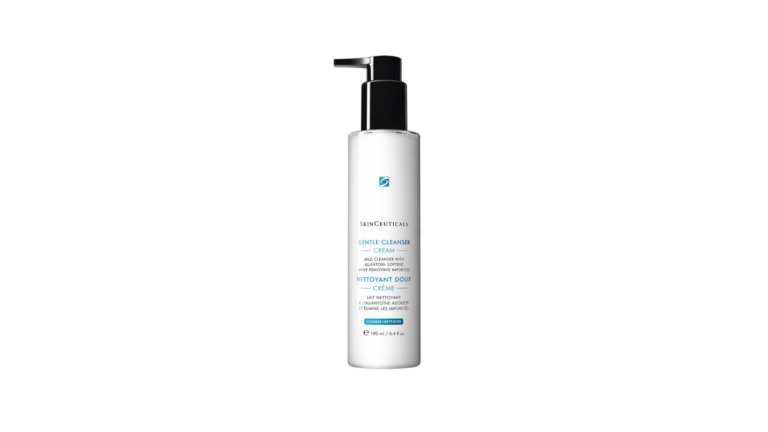
To effectively purify your skin while preserving its vital moisture barrier, we recommend the SkinCeuticals Gentle Cream Cleanser.
Formulated specifically for sensitive, dry, or traumatised skin, this non-foaming cream cleanser combines emollient ingredients with an orange oil base to gently lift away debris and long-wear makeup. It cleanses deeply without stripping the acid mantle, minimising moisture loss while cleansing.
SSKINS is an authorised retailer of SkinCeuticals products. Contact us here to reserve your favourite SkinCeuticals products!
Achieving perfectly balanced skin requires a mindful approach to your daily routine.
Put Down the Bar Soap: Never use body soaps or generic bar cleansers on your face, as their high pH value will dissolve your protective lipids.
Stop Over-Exfoliating: Limit the use of chemical peels, exfoliating acids, and scrubbing brushes. Over-manipulating the skin surface strips away the acid mantle faster than your body can naturally reproduce it.
Listen to Your Skin: If your face feels tight, itchy, or red after washing, your current skin care products are likely forcing an unhealthy pH shift. Consider switching to creamy, soap-free, pH balanced alternatives.
Account for Your Environment: Environmental stressors like hard water, high pollution, and artificial air conditioning can all tax your barrier. Supporting the skin and its defence systems with antioxidant-rich, calibrated topicals provides an essential secondary layer of safety.
No matter your specific skin types, respecting the delicate chemical balance of your body is the ultimate foundation for a clear, resilient complexion.
By investing in clinically verified pH balanced products, you stop damaging your skin barrier and finally give your skin the stable environment it needs to heal, repair, and radiate health.
In clinical skincare, “pH balanced” indicates that a product has been formulated with a pH level that closely mimics the natural, slightly acidic pH of healthy human skin (typically between 4.5 and 5.5).
This ensures that applying the product will not cause a drastic chemical shift on the skin surface, thereby protecting the integrity of the acid mantle and preventing barrier irritation.
Your skin will quickly show physical symptoms if its pH level is disrupted. If your pH has become too alkaline (often from harsh soaps), your skin will feel excessively tight, dry, flaky, irritated, or look unusually dull.
If your skin has become overly acidic (often from over-using strong active exfoliating acids), it may present as a shiny but dehydrated texture, burning sensations, breakouts, or widespread redness.
Yes, standard tap water can temporarily alter your skin’s natural pH.
Pure water has a neutral pH of 7, but urban tap water (especially hard water filled with heavy minerals like calcium and magnesium) frequently leans alkaline, often reaching a pH of 8.5.
Washing your face with alkaline water can elevate your skin’s surface pH, which is why utilising a pH-balanced cleanser or applying a restorative toner immediately after rinsing can be beneficial to quickly restore equilibrium.
No. Active exfoliating products like alpha hydroxy acids (AHAs) or beta hydroxy acids (BHAs) are intentionally formulated at a lower, more acidic pH (typically between 3.0 and 4.0) because these acids require an acidic environment to effectively penetrate the skin cells and dissolve intercellular bonds.
While these specific corrective treatments are not “pH balanced” to the skin’s normal 5.5 level, your subsequent routine steps should be followed with barrier-supportive moisturisers. These can help minimise irritation from strong actives.